
A step-by-step, no-fail guide to cooking tender, succulent vegetables that keep their vibrant color. These vegetables aren't just a side dish or an afterthought - they are the main attraction. The best way to honor fresh, seasonal vegetables.
I will never forget the array of beautiful vegetables served at our engagement party in the South of France. The colors were so vivid and each carrot, snap pea and patty pan squash looked like it was ready to be painted in a tableau. The absolute opposite of the greyed, half charred, half limp ubiquitous sheet pan vegetable. Everything tasting unmistakably, brilliantly of itself.

J'Adore! Would you like to save this recipe?
I have been blanching vegetables ever since, and I promise you, once you understand this technique, you will use it over and over again, especially when you want your presentation, and flavor, to be just a little more elevated.
TL;DR
- What is it? French technique for making tender vibrant vegetables
- How you'll make it? A short boil and ice bath technique
- Why you will love it? Your fresh vegetables will look and taste amazing!
- Cooking Time: 3-8 mins
- Cook Method: Blanching
- Flavor & Texture: Seasonal vegetables that taste fresh and bright with an al-dente texture
- Difficulty: Easy peasy.
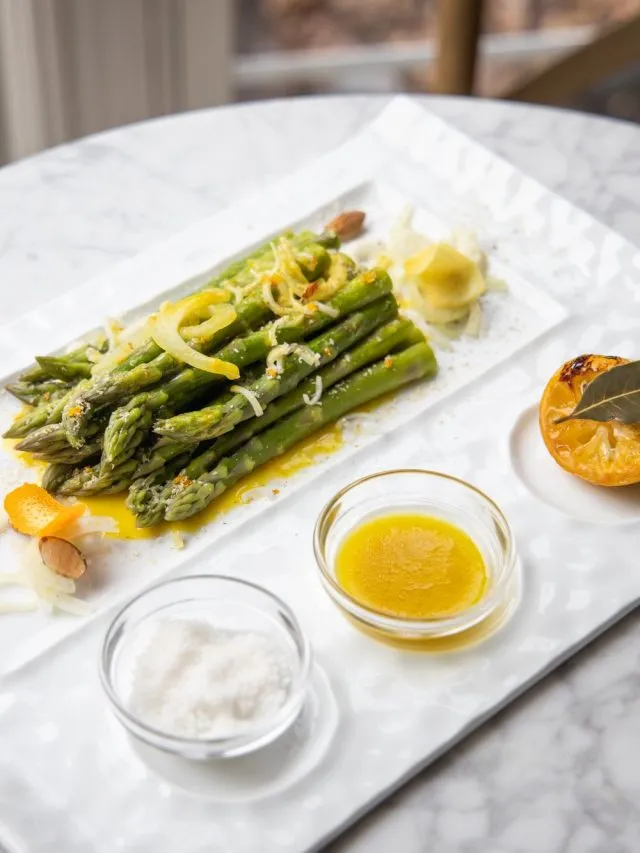
What Does Blanching Actually Do?
Blanching is a two-step technique: a plunge into boiling salted water, followed immediately by a transfer into ice-cold water to stop the cooking process. The result is a vegetable that is perfectly cooked, tender but not limp, with its color brilliantly preserved and its flavor locked in.
In French cooking, blanching is not a shortcut. It is a technique de base, a foundational skill that separates a beautiful vegetable platter from a sad, grey pile of mush. Le Chef uses it constantly, from preparing vegetables for a weeknight dinner to plating for a dinner party where every detail matters.
Le Chef's Wife Tip: Salt your blanching water generously. This is what seasons the vegetables from the inside out. Under-salted water produces vegetables that taste flat, no matter how good they looked going in.
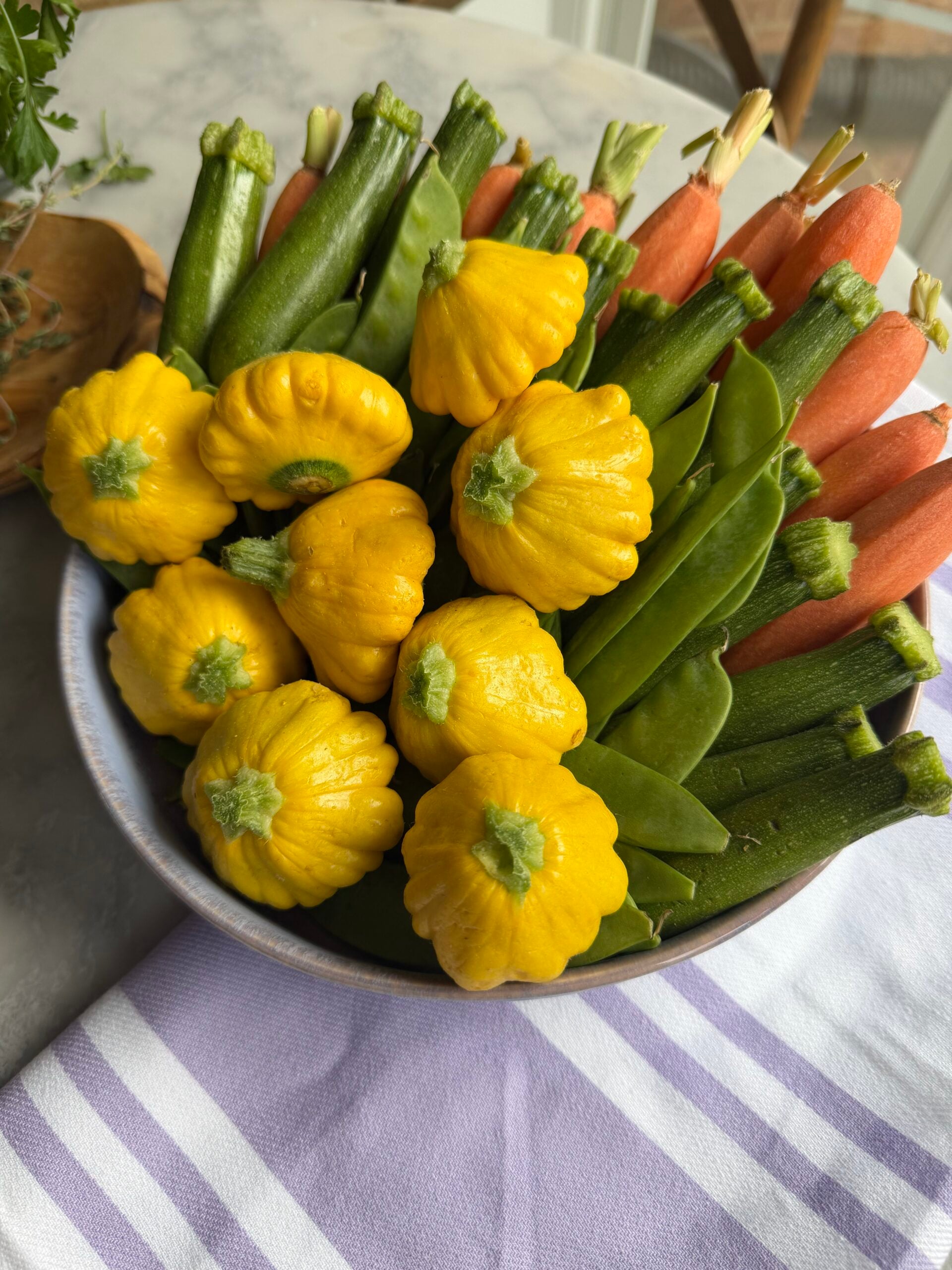
What You Will Need
Before you start, have these on hand:
- One large pot: if you are blanching several types of vegetables, use two pots for efficiency
- Generously salted boiling water: one pot per type of vegetable, or one pot used sequentially
- A large bowl filled with ice and cold water: this is non-negotiable
- A slotted spoon or spider strainer for transferring vegetables quickly
- A timer: blanching times are short and precision matters
How to Blanch Vegetables - Step by Step
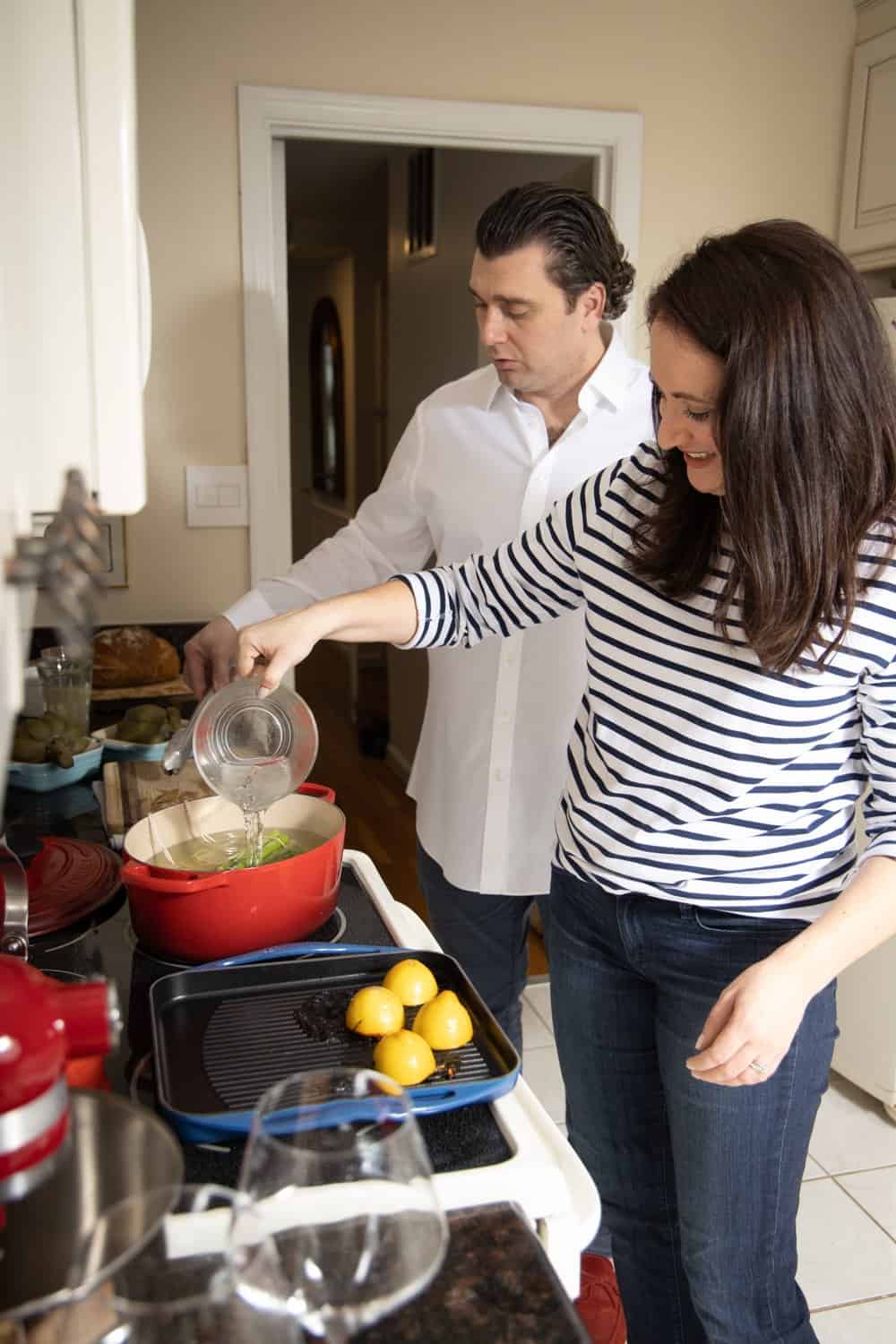
- Bring a large pot of water to a rolling boil. Season it generously with salt.
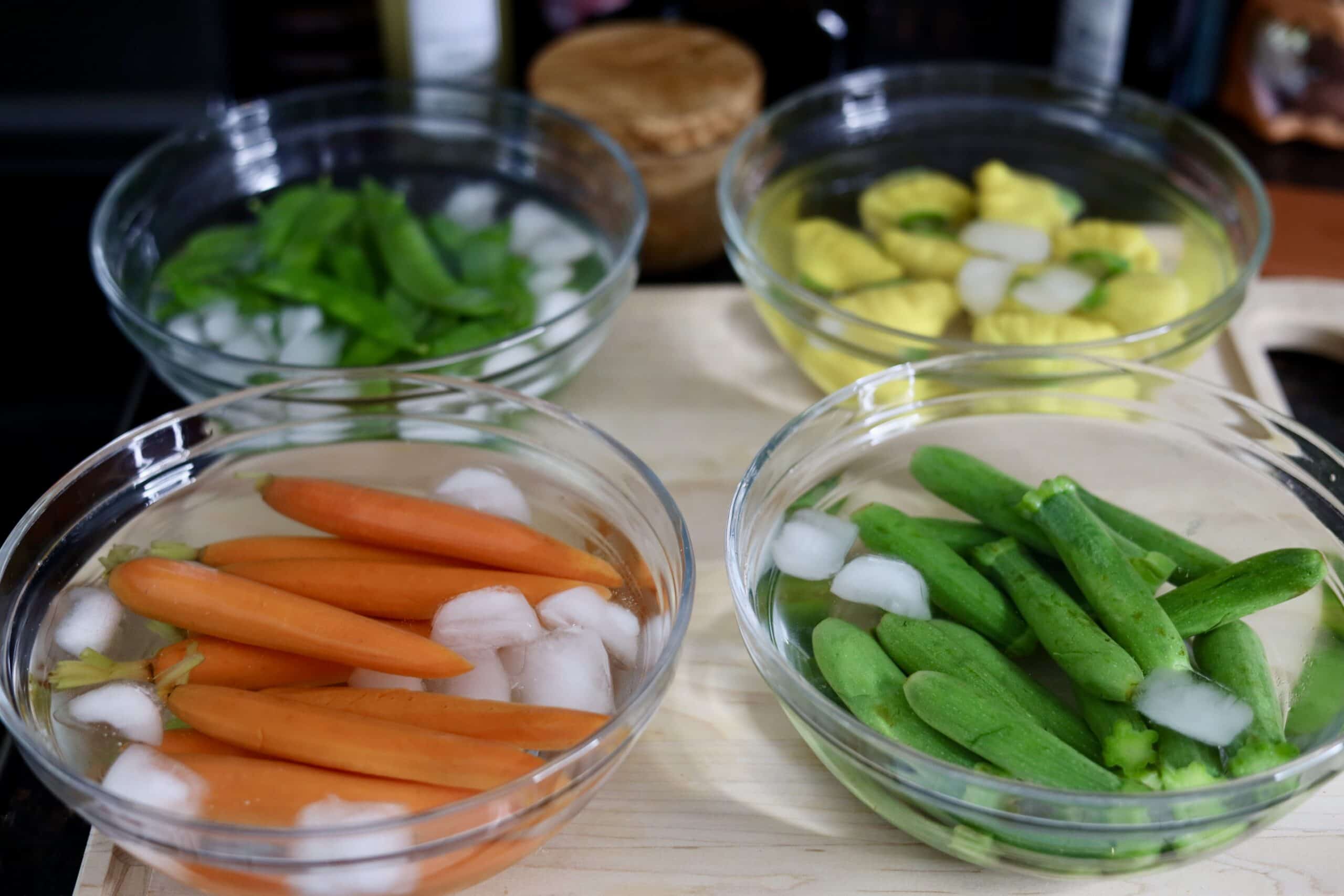
- While the water heats, prepare your ice bath: fill a large bowl with cold water and a generous amount of ice. Set it beside the stove so you can transfer quickly.
- Blanch each type of vegetable separately. Different vegetables have different densities and cooking times, mixing them in the same pot risks some being overcooked while others are still raw.
- Lower your vegetables into the boiling water and set your timer immediately. (See the blanching time guide below.)
- The moment the timer goes off, use your slotted spoon to transfer the vegetables directly into the ice bath. Do not delay, every second counts to stop the cooking process.
- Leave the vegetables in the ice bath for the same amount of time they were in the boiling water, or until completely cold to the touch.
- Drain well and pat dry. Your vegetables are now ready to serve, sauté, toss into a salad, or store in the refrigerator for up to 2 days.
Blanching Time Guide
This is where precision matters most. These are Le Chef's recommended blanching times for the vegetables we use most in our kitchen:
| Vegetable | Preparation | Time | What to Expect |
|---|---|---|---|
| Small carrots | Peeled, whole | 8 minutes | Tender throughout, vibrant orange, still holds its shape |
| Patty pan squash | Whole or halved | 8 minutes | Yielding but not soft, beautiful color preserved |
| Mini zucchini | Whole | 5 minutes | Just cooked, bright green, a gentle bite at the center. Beautifully al-dente |
| Snap peas | Strings removed | 3 minutes | Crisp, vivid green, sweet and fresh-tasting |
Le Chef's Wife Tip: Always start with your longest-cooking vegetables and work your way down to the quickest. This means you can use the same pot sequentially without reheating, and keeps your ice bath cold for the vegetables that need it most.
Why Does the Ice Bath Matter So Much?
The ice bath is not optional, it is half the technique. Without it, the residual heat inside the vegetable continues cooking it even after you have removed it from the water. Thirty seconds too long and your vibrant snap peas turn army green. Your perfectly firm carrot goes limp.
The French take this seriously because they believe a vegetable should taste like the best possible version of itself. The ice bath guarantees this. It shocks the vegetable, halts the cooking at exactly the right moment, and sets that brilliant color permanently.
When I first started cooking alongside Le Chef, I would sometimes skip the ice bath because it felt like an extra step. He noticed every time. "Ça se voit," he would say quietly. You can tell. He was right.
What to Do with Blanched Vegetables
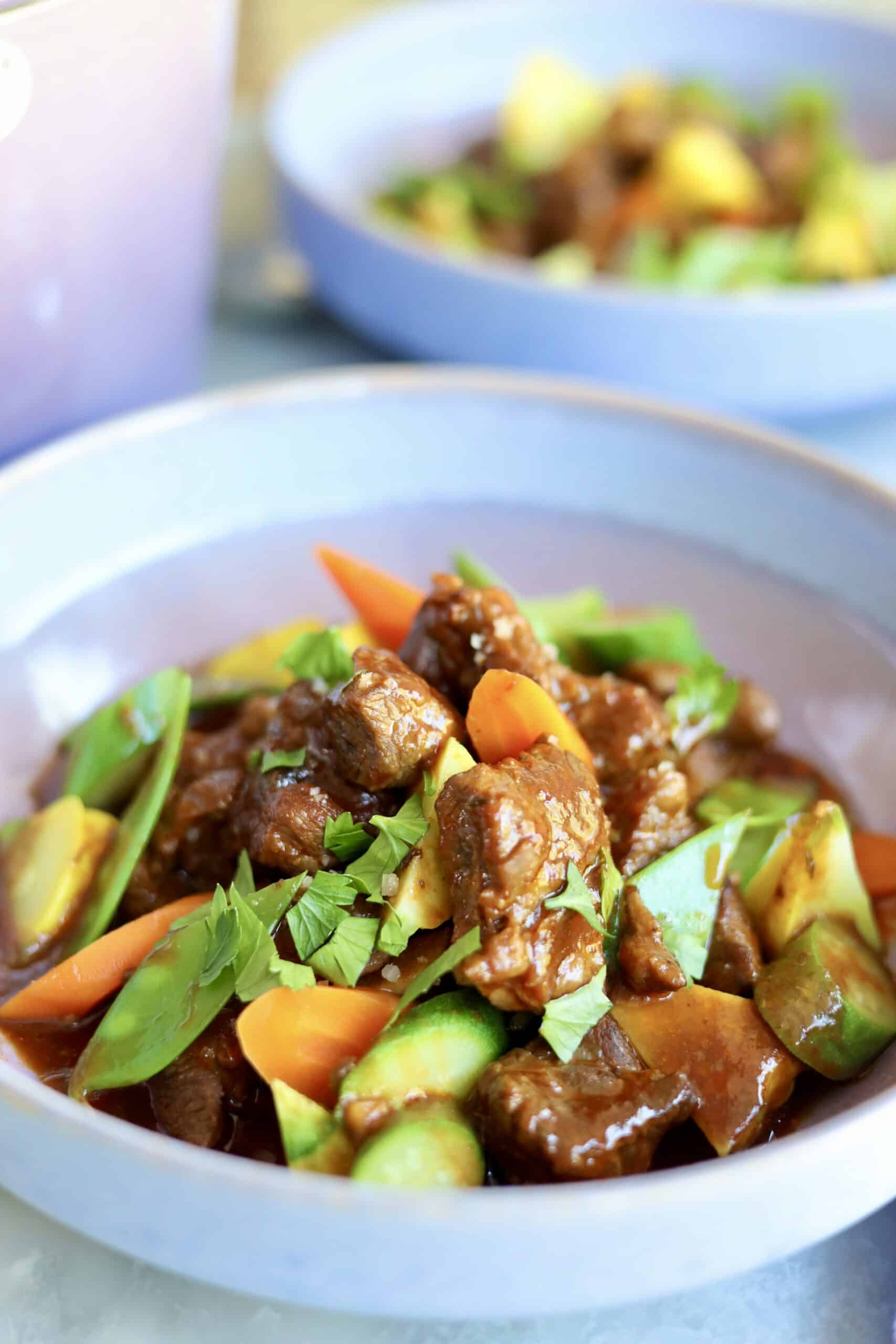
Blanched vegetables are incredibly versatile. Here is how we use them in our kitchen most often:
Serve Them Simply
Arrange on a platter, drizzle with good olive oil, a sprinkle of fleur de sel This is a classic French assiette de légumes and it is stunning in its simplicity.
Toss with Butter
Le Chef finishes blanched vegetables with a small knob of butter and a pinch of sea salt in a warm pan, just enough to coat them and add richness. This is the technique that makes restaurant vegetables taste different from home vegetables.
Add to Salads
Blanched vegetables hold their color and texture beautifully in composed salads. They pair wonderfully with a champagne vinaigrette or a simple Dijon mustard dressing.
Add to your Slow-Cooked Dishes
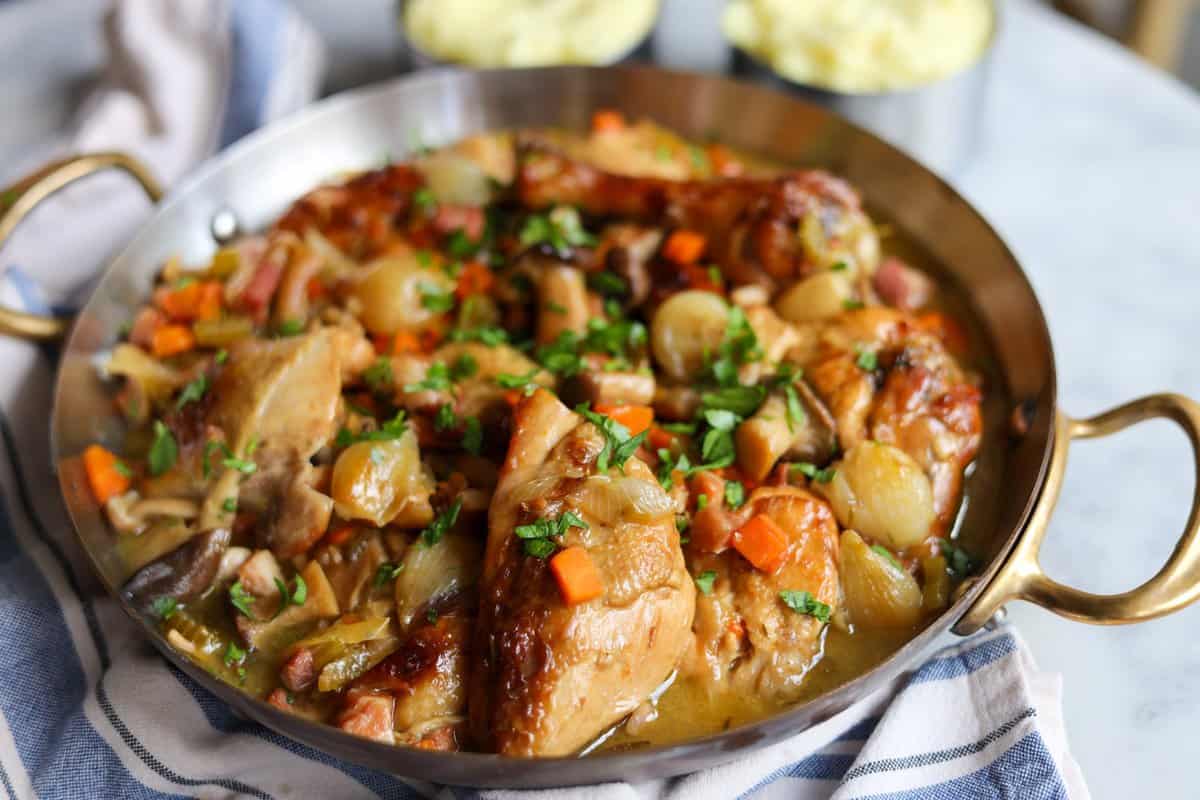
Adding blanched vegetables to a Navarin D'Agneau Lamb Stew or a Coq au Vin makes for a more beautiful presentation and a welcome variation of textures and flavors. Spring vegetables are too delicate to be put in the oven for hours - blanching renders them sublime and the sauce naturally heats them back up when you are ready to serve.
Gluten-Free
Blanching is a gluten-free cooking method that also doesn't use any additional fats to make the vegetables taste great.
Make Ahead for Dinner Parties
Blanch up to 2 days in advance and store covered in the refrigerator. This is one of my favorite dinner party strategies, the vegetables are done, one less thing you need to concern yourself with before your guests arrive and all you need to do is dress them before serving. You can read more about how to host a French Dinner party here.
Frequently Asked Questions
"Blanching" is a French culinary technique which results in vibrant, al dente vegetables that are absolutely delicious and beautiful. Blanching means that you boil your fresh, seasonal vegetables for just a few minutes before plunging them in ice water to preserve their vivid color.
Yes, and it is worth the extra few minutes. Different vegetables have different blanching times, and cooking them together means some will be overdone while others are underdone. Think of it as a short assembly line ,each vegetable gets its moment in the spotlight, then moves to the ice bath while the next one goes in.
Absolutely - this is one of the best things about blanching. Blanched vegetables can be stored in an airtight container in the refrigerator for up to 2 days. This makes it a wonderful technique for dinner party prep. Just dress or warm them at the last moment before serving.
Frozen vegetables are often already blanched before freezing, so a second blanch is generally not needed. This technique is best suited to fresh, seasonal vegetables where you want to preserve maximum color, flavor, and texture.
Nearly any vegetable can be blanched. Asparagus (2-3 minutes), green beans (3-4 minutes), broccoli florets (2-3 minutes), and haricots verts (2 minutes) are among the most common in French cooking. The rule of thumb: the thicker and denser the vegetable, the longer the blanching time.
Mastering the blanch has changed the way I cook vegetables entirely. It is one of those quiet techniques that no one talks about but every good cook has quietly internalized. Once you have done it a few times, it becomes second nature, and your vegetable platters and side dishes will never look the same again.
Whether you are preparing a simple weeknight side or a gorgeous assiette de légumes for a dinner party, this is the technique that will make your guests stop and ask, "How did you get them so beautiful?"
Au Plaisir, Le Chef's Wife
Print
How to Blanch Vegetables the French Way
- Prep Time: 5
- Cook Time: 10
- Total Time: 15 minutes
- Category: Side Dishes
- Method: Blanching
- Cuisine: French
- Diet: Gluten-Free
Description
An easy guide for how to blanch vegetables the French way so that each vegetable is perfectly cooked and vibrant in color.
Ingredients
-
- Small carrots, peeled
-
- Patty pan squash, whole or halved
-
- Mini zucchini, whole
-
- Snap peas, strings removed
-
- Coarse salt, for the water - generously
-
- Ice and cold water, for the ice bath - plenty
Instructions
- Bring a large pot of water to a rolling boil. Salt generously.
- Set up a large bowl of ice water next to the stove.
- Blanch each vegetable separately, starting with the longest cooking time (reference below). Set a timer the moment they go in.
- Transfer immediately to the ice bath when the timer goes off. Let cool completely, then drain and pat dry.
- Serve simply with olive oil and fleur de sel, or finish in a warm pan with a knob of butter.
- Small carrots, peeled - 8 minutes
- Patty pan squash, whole or halved - 8 minutes
- Mini zucchini, whole - 5 minutes
- Snap peas, strings removed - 3 minutes
Notes
Blanched vegetables are incredibly versatile. Here is how we use them in our kitchen most often:
Serve Them Simply
Arrange on a platter, drizzle with good olive oil, a sprinkle of fleur de sel This is a classic French assiette de légumes and it is stunning in its simplicity.
Toss with Butter
Le Chef finishes blanched vegetables with a small knob of butter and a pinch of sea salt in a warm pan, just enough to coat them and add richness. This is the technique that makes restaurant vegetables taste different from home vegetables.
Add to Salads
Blanched vegetables hold their color and texture beautifully in composed salads. They pair wonderfully with a champagne vinaigrette or a simple Dijon mustard dressing.
Add to your Slow-Cooked Dishes
Adding blanched vegetables to a Navarin D'Agneau Lamb Stew or a Coq au Vin makes for a more beautiful presentation and a welcome variation of textures and flavors. Spring vegetables are too delicate to be put in the oven for hours - blanching renders them sublime and the sauce naturally heats them back up when you are ready to serve.
Make Ahead for Dinner Parties
Blanch up to 2 days in advance and store covered in the refrigerator. This is one of my favorite dinner party strategies, the vegetables are done, one less thing you need to concern yourself with before your guests arrive and all you need to do is dress them before serving. You can read more about how to host a French Dinner party here.
ALL ABOUT LE CHEF'S WIFE

Bonjour! I am Anina Belle. I translate the fancy cooking of my Michelin-star trained French Chef Husband, Le Chef, into easy to make dishes that busy people with no culinary training (like me!) can make at home. We have two young kids (8 and 5) and I run a marketing firm and a non-profit in addition to this blog. I strongly believe that even busy people deserve to eat well at home.
Look inside our Kitchen with this Washington Post Article. We were featured on the TODAY SHOW for our recipes of French Onion Soup Gratinée and Moelleux au Chocolat. You can watch our full segment below.
I share our home cooking on Instagram, pinterest and tiktok. Sign up for my newsletter to be the first to receive my new recipes and have advance access to cooking classes. I look forward to cooking with you!


Anina Belle Giannini says
I love cooking vegetables this way - they look beautiful and taste great too
M. Banks says
This looks amazing, can't wait to try it out tonight! 👍 Any recommendations for a cook time for a whole artichoke? Thanks so much!