
Classic French Dishes Worth Rediscovering
French dishes like crème brûlée, ratatouille, boeuf bourguignon and coq au vin are household names worldwide. They symbolize elegance, comfort, and centuries of culinary artistry.
Yet beyond these icons lies a treasure trove of French recipes that once defined dining tables across the country but have slowly disappeared from view. Some were staples of family kitchens, passed down through generations. Others were fixtures of royal banquets and grand celebrations immortalized in Le Guide Culinaire by Auguste Escoffier.
Today, we welcome Eating Europe on Le Chef's Wife for a guest post.
J'Adore! Would you like to save this recipe?
Each of these forgotten French dishes carries the essence of regional identity, patience, and craftsmanship. These qualities helped make French cuisine one of the most influential culinary traditions in the world. Revisiting these classics helps us understand how culture, history, and taste evolve, and why returning to them can deepen our appreciation for the roots of French gastronomy.
Revisiting the Golden Age of French Cuisine
French cuisine did not earn its global reputation overnight. From the royal feasts of the Renaissance to the bistros of the Belle Époque, food reflected geography, status, and artistry.
The country's diverse regions, from the butter rich North to the olive oil scented South, each contributed their own traditions and flavors to the table.

The golden age of French food, spanning the 17th to early 20th centuries, celebrated
abundance and precision, and delivered some of the most famous French dishes we still enjoy today.
Chefs transformed humble ingredients into refined meals through slow cooking, careful seasoning, and meticulous preparation. Sauces were reduced patiently, meats simmered gently in wine, and every dish told a story of care and restraint.
As modern food culture shifted toward convenience and lighter fare, many classic French dishes gradually disappeared from everyday menus.
Forgotten French Dishes That Once Ruled the Table
Though they may have fallen out of fashion, these dishes still offer lessons in balance, flavor, and culinary heritage.
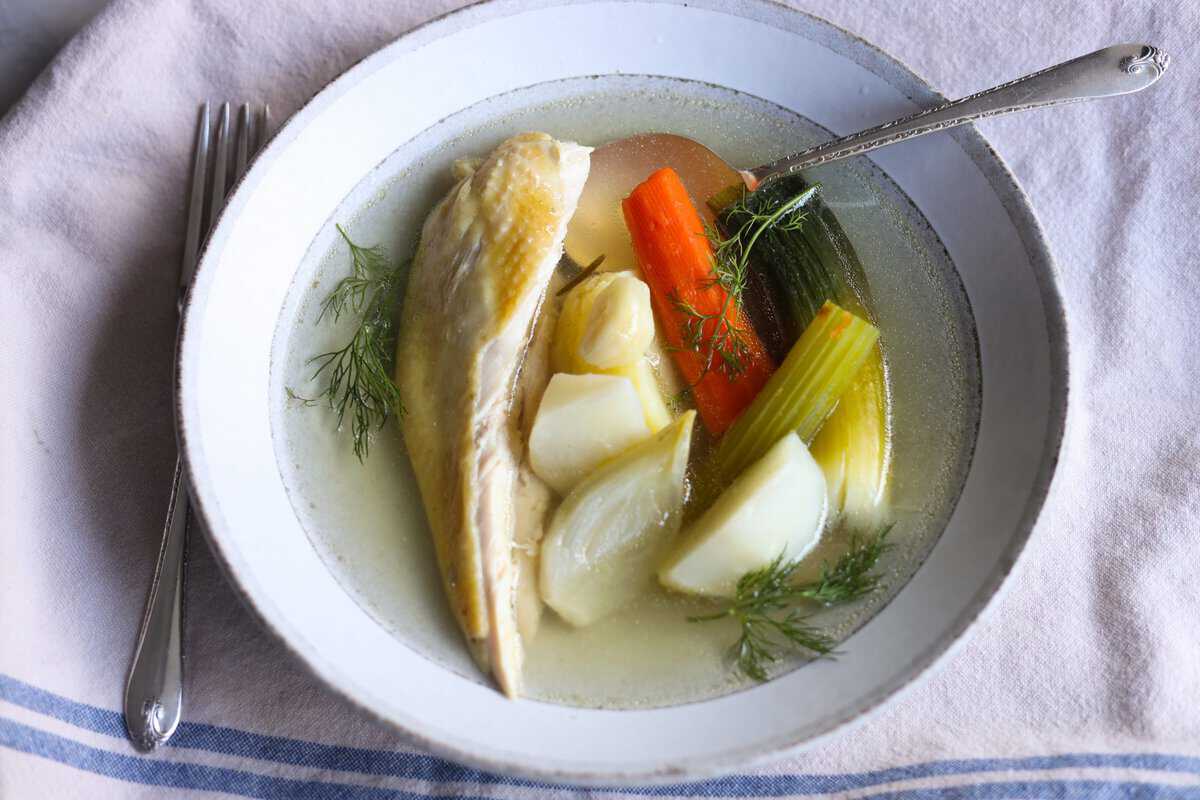
La Poule au Pot
Immortalized by King Henry IV, La Poule au Pot is a whole chicken gently poached with vegetables, herbs, and sometimes rice or stuffing. While mild by modern standards, its warmth and simplicity embody the heart of traditional French comfort food.
Le Civet de Lièvre
Le Civet de Lièvre is a rich stew of hare braised in red wine with onions and bacon. Deep, earthy, and complex, it reflects a time when seasonal game and patience defined French cuisine.
Le Canard aux Cerises
Duck with cherries showcases the French mastery of sweet and savory combinations. The acidity of cherries balances the richness of roasted duck, a pairing that delighted diners throughout the nineteenth century.

La Truffade
Originating in the Auvergne region, La Truffade is rustic mountain comfort at its best. Potatoes, melted tomme cheese, and garlic are cooked until golden and irresistibly stretchy. It is simple, hearty, and deeply regional.
Tête de Veau
Not for the faint hearted, Tête de Veau exemplifies traditional nose to tail cooking. Slowly simmered and served with ravigote sauce, it reflects resourcefulness, respect for ingredients, and the French ability to elevate modest cuts.
Why These French Classics Disappeared from Modern Menus
Several cultural and culinary shifts contributed to the decline of these traditional French dishes.
- Changing dining habits and lighter food preferences
Modern eaters often favor quicker, lighter meals over rich, sauce based classics. - The decline of regional home cooking traditions
Urbanization weakened the connection between local ingredients, inherited recipes, and community cooking habits. - Complex preparation and long cooking times
Many classic French recipes require hours of preparation, which no longer fits the pace of everyday life. - Global cuisines and convenience culture
The rise of international flavors and ready made meals shifted attention away from time intensive French classics.
Despite this shift, the techniques behind these dishes continue to influence how chefs approach sauces, stews, and comfort food across the world.
Bringing Back French Classics with a Modern Approach
While these dishes may no longer appear exactly as they once did, chefs and home cooks are finding thoughtful ways to reintroduce them.
Simplified Home Cook Versions
Traditional recipes are being adapted for today's kitchens without sacrificing authenticity. La Poule au Pot can be prepared using chicken thighs or a slow cooker. La Truffade can be lightened through careful cheese choices. These updates keep the core flavors intact while fitting modern schedules.

Fusion Inspired Interpretations
French classics are also finding new life through cross cultural creativity. A modern Canard aux Cerises might incorporate warm spices or unexpected aromatics, allowing tradition to evolve while remaining respectful of its roots.
Farm to Table and Sustainable Revivals
As interest in sustainability grows, dishes like Tête de Veau and Civet de Lièvre are returning to thoughtful menus. By working with local farms and heritage producers, chefs reconnect these recipes to the land, a philosophy deeply embedded in French culinary culture.
Honoring Tradition Through French Comfort Classics
Though culinary trends come and go, the foundation of French cooking remains quietly influential. The forgotten dishes of rural kitchens and royal tables remind us that food was once about patience, connection, and pride in craft.
Reviving classics like La Truffade or Le Canard aux Cerises is not about nostalgia alone. It is about preserving stories, honoring technique, and slowing down in a world that often moves too fast. Each recipe offers continuity, linking generations through the simple act of cooking with care and serving with intention.



Leave a Reply