
Discover the beloved French tradition of goûter, the after-school snack enjoyed by children and adults across France.
If there is one French food tradition that deserves more attention outside of France, it is goûter.
Pronounced "goo-tay," goûter means "to taste" and it is also the name of the cherished French afternoon snack that takes place between lunch and dinner. It is a daily ritual that has remained remarkably unchanged for generations and is one of the first things that surprised me when I moved to France.
- What is this? A simple guide to goûter, the traditional French afternoon snack between lunch and dinner
- Who is it for? Anyone curious about how French families really eat day to day beyond the restaurant clichés
- The biggest misconception: That French children snack constantly or eat processed foods throughout the afternoon
- The reality: A set, intentional daily pause around 4 p.m. with simple foods like brioche, fruit, yogurt, or bread with chocolate
- The secret: It's not about elaborate snacks, it's about rhythm, moderation, and sitting down together
- What you can take away: A small daily ritual that brings calm, connection, and structure to the afternoon routine
J'Adore! Would you like to save this recipe?
TL;DR
In North America, snacks are often eaten throughout the day without much thought as to the time.
In France, goûter has a specific time, a purpose, and even a certain etiquette.
For children especially, it is a treasured moment that marks the transition between school and home.
As an American who spent nearly a decade living in France, married a French chef, and now raises a French-American family, I have seen firsthand how deeply rooted this tradition remains.
So what exactly is goûter, and what do French children eat after school?
Let's take a closer look.
What Is Goûter?

Goûter is the traditional French afternoon snack, typically eaten between 4:00 and 5:00 p.m.
The word "goûter" comes from the French verb goûter, which means "to taste."
Historically, it was introduced as a way for children to refuel after school before dinner, which is often served later in the evening around 7pm or later.
Today, goûter remains an important part of daily life for many French families.
While children are the primary participants, plenty of adults happily join in too.
Why Is Goûter So Important in France?
One of the reasons goûter has survived while similar traditions have disappeared elsewhere is because French meal times tend to be structured.
A typical French day often looks like this:
- Breakfast
- Lunch
- Goûter
- Dinner
Rather than grazing constantly throughout the day, many French families eat at designated meal times.
Goûter bridges the gap between lunch and dinner and helps prevent children from becoming overly hungry before the evening meal.
More importantly, it creates a daily ritual.
Children come home from school, sit down, and enjoy a small treat while sharing stories about their day.
It is as much about connection as it is about food.
What Do French Children Eat for Goûter?
The answer may surprise you.
Goûter is often quite simple.
While every family has its own traditions, some of the most common goûter foods include:
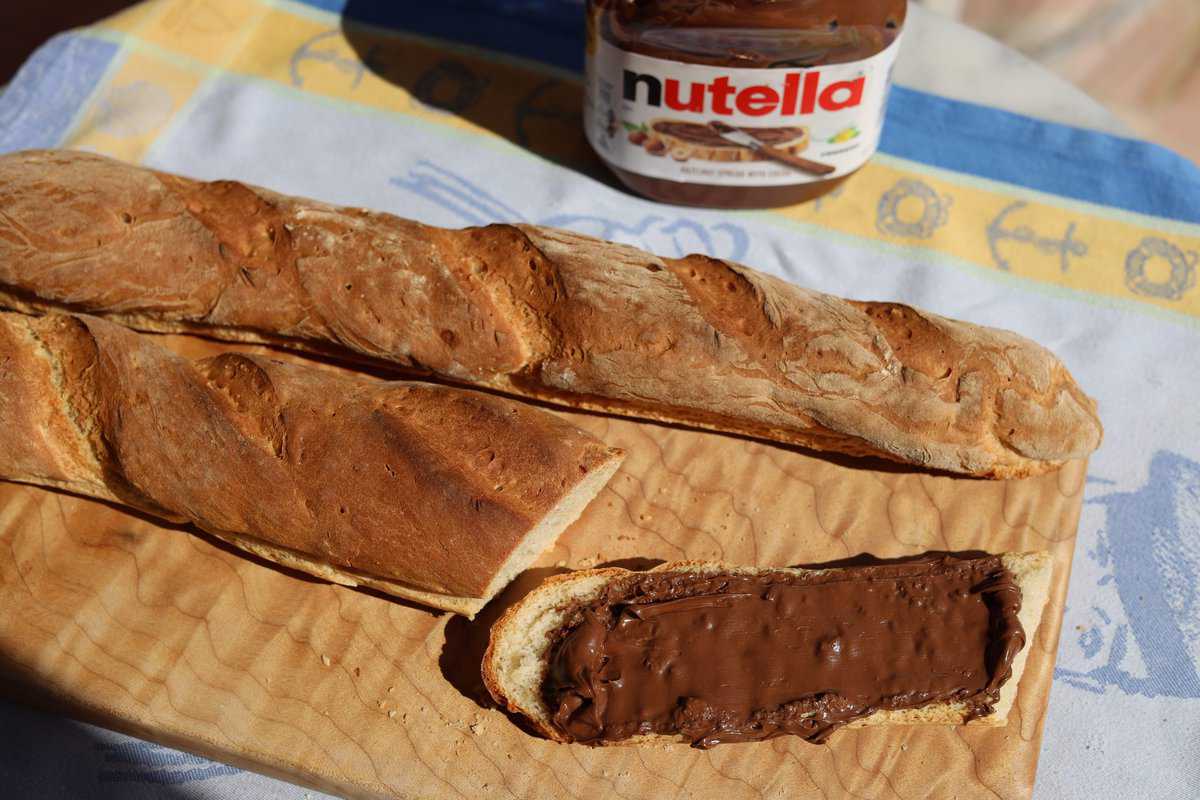
- Bread with chocolate
- Bread with butter and jam
- Yogurt
- Fruit
- Applesauce
- Homemade cake
- Madeleines
- Chocolate squares
- Brioche
- Crêpes picked up on the way home from school
Unlike many North American snack foods, goûter tends to focus on simple ingredients rather than highly processed products.
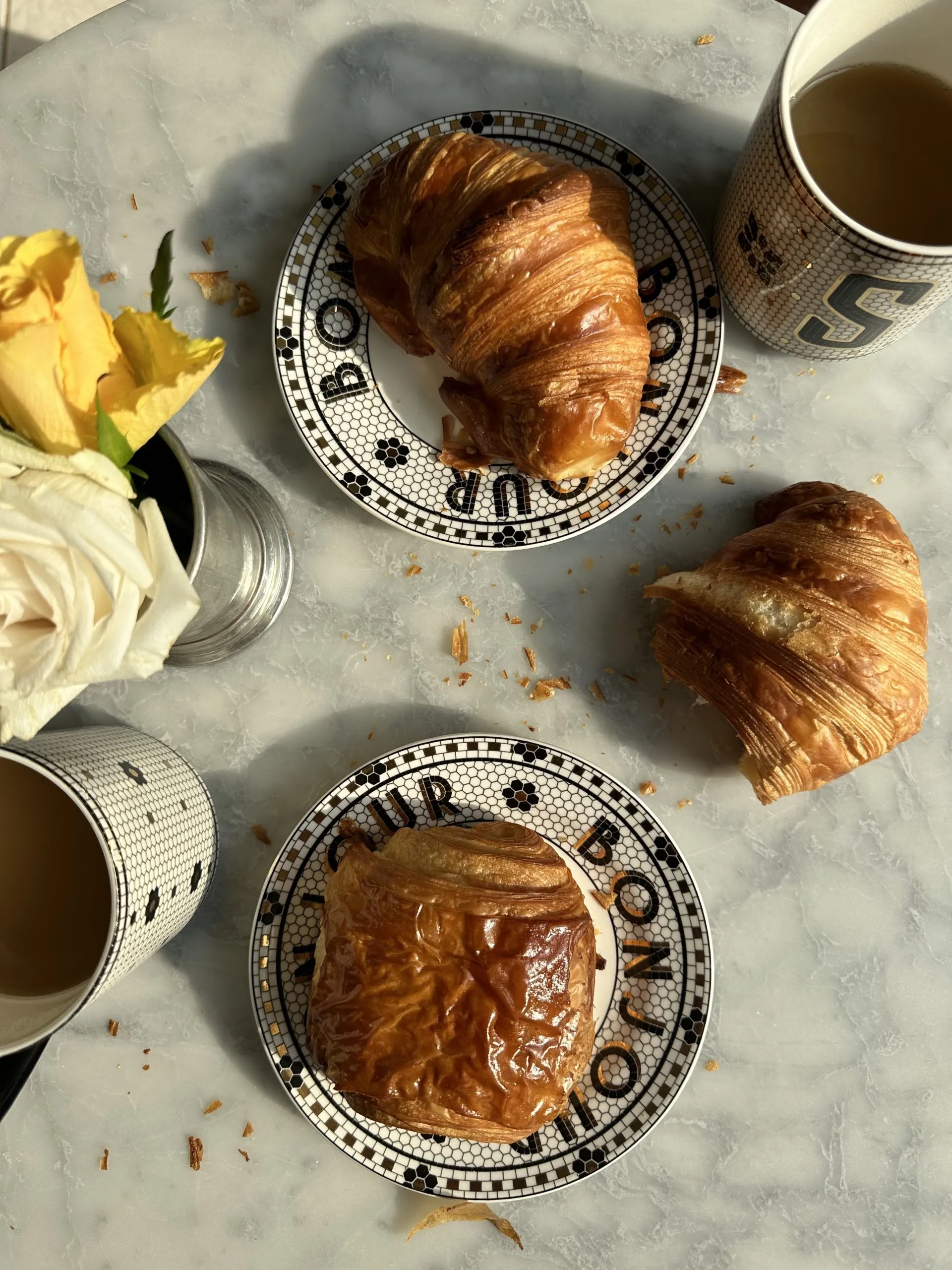
Pain au Chocolat
A lovely custom is picking up a viennoiserie from the bakery on the way home from school - a pain au chocolat or a chausson aux pommes (apple turnover) makes a great goûter.
Baguette & Chocolate
One of the most beloved goûter treats is simply a piece of baguette served with a few squares of dark chocolate tucked inside.
French children have been enjoying this snack for generations.
Homemade Cake
Many French families prepare a simple homemade cake on the weekend to enjoy throughout the week.
Popular choices include:
- Yogurt Cake
- Quatre-Quarts (French Pound Cake)
- Apple Cake
- Marble Cake
A slice served with milk or hot chocolate makes a perfect goûter.
Fresh Fruit
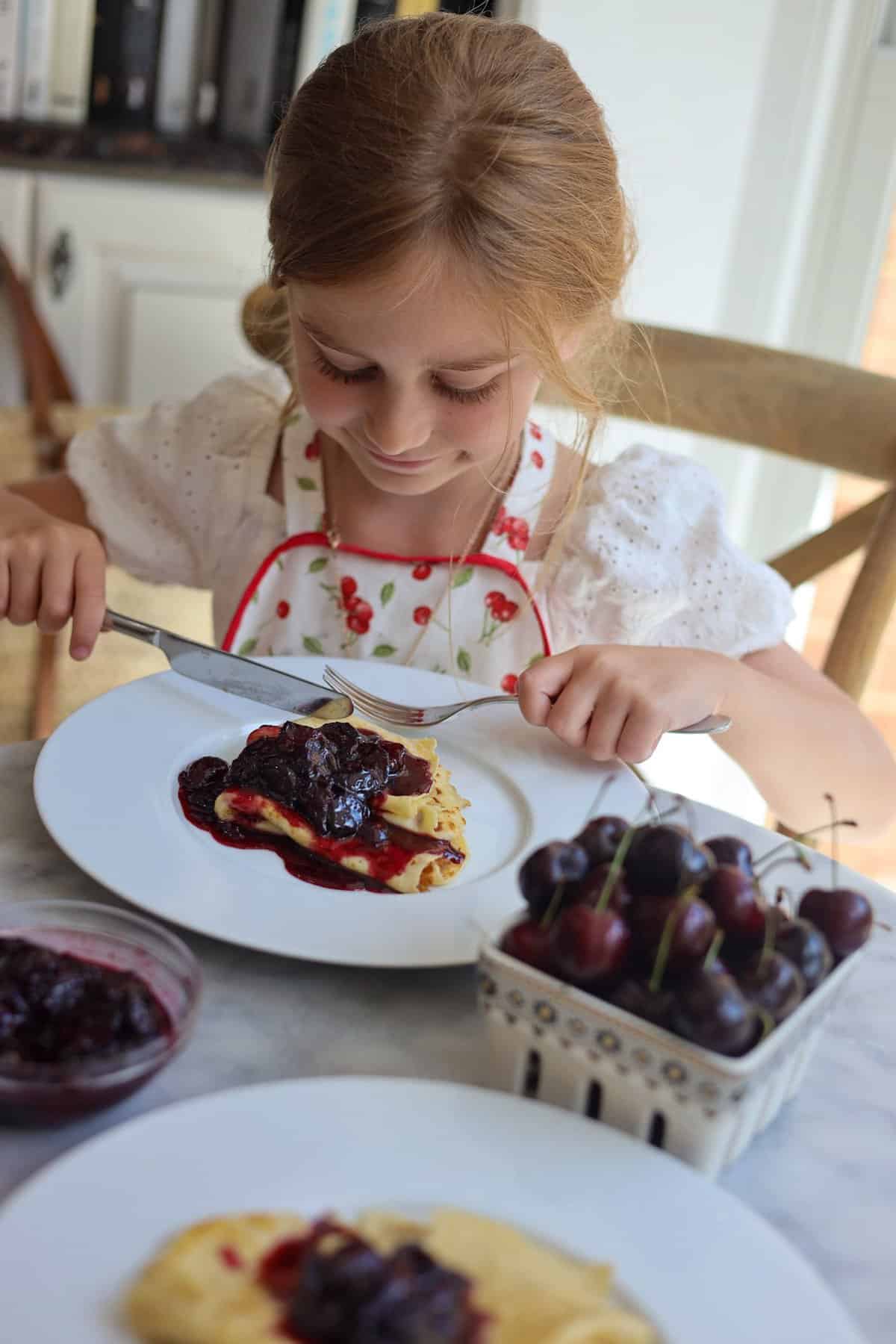
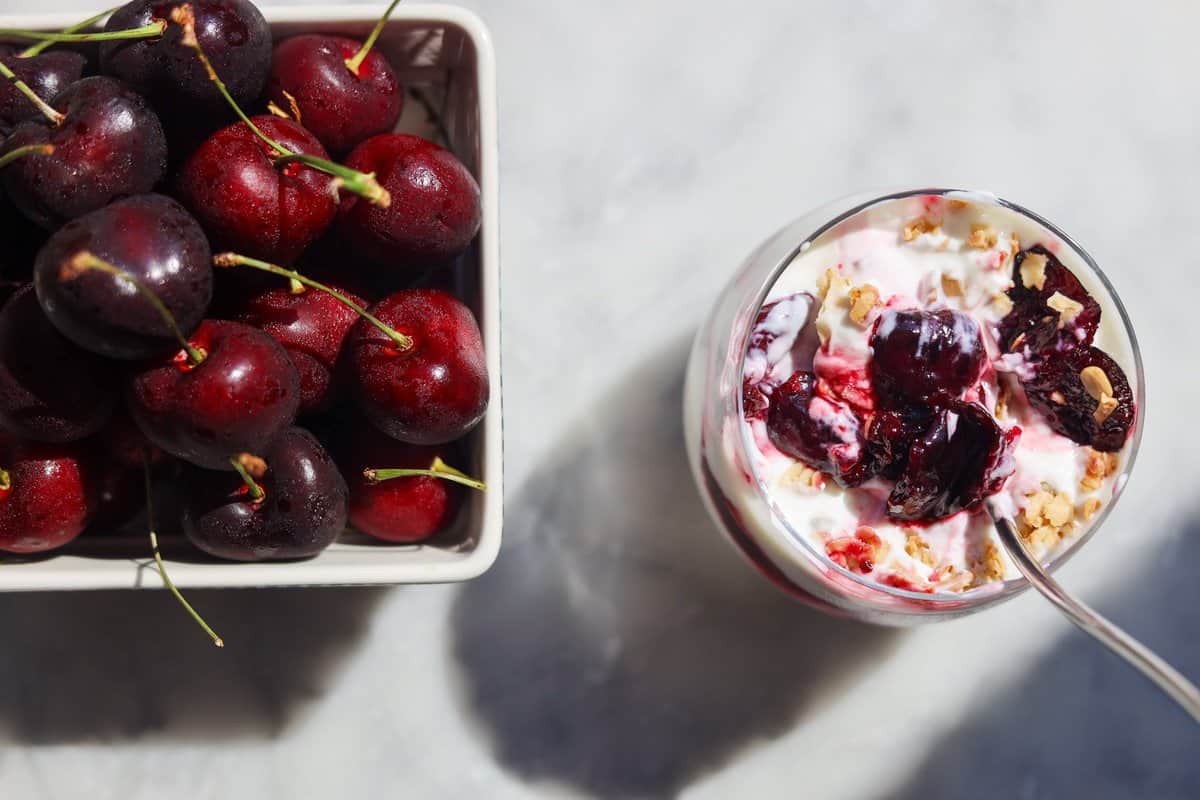
Depending on the season, goûter may be as simple as:
- cherries
- strawberries
- peaches
- apples
- clementines
Seasonality remains an important part of French eating culture.
What Is Not Typically Served at Goûter?
One thing that often surprises visitors is what French children do not regularly eat.
Traditional goûter usually does not include:
- chips
- candy
- soda
- oversized snack portions
While these foods certainly exist in France, they are not generally associated with the traditional after-school snack.
The focus tends to be on moderation rather than restriction.
Does Goûter Exist for Adults?
Absolutely.
While goûter is primarily associated with children, many adults enjoy a small afternoon pause as well.
This might include:
- coffee and a madeleine
- tea and a slice of cake
- fruit
- a small pastry
- a yogurt
In many ways, it reflects a broader French philosophy: taking time to enjoy life's small pleasures.
How Goûter Differs from American Snack Culture
One of the biggest differences is that goûter is intentional.
Rather than snacking continuously throughout the day, French families often treat goûter as a designated moment.
Conversation happens. The moment is appreciated, then everyone moves on with their afternoon.
The ritual itself is often just as important as the food.
Bringing the Tradition of Goûter Home
One of the reasons I love the concept of goûter is that it encourages us to slow down.
It doesn't require elaborate recipes or expensive ingredients.
A simple piece of cake.
A fresh piece of fruit.
A slice of brioche.
Combined with a few minutes around the table, these small moments become meaningful family traditions.
Simple Goûter Recipes to Try
If you'd like to bring a little French tradition into your own home, start with:
- Crêpes
- Quatre-Quarts (French Pound Cake)
- Yogurt Cake
- Madeleines
- Apple Cake
- Chocolate Mousse
- Fresh seasonal fruit
These are the kinds of treats that regularly appear on French family tables.
FREQUENTLY ASKED QUESTION
Le goûter is one of the sweetest parts of French family life. It is the traditional afternoon snack enjoyed between lunch and dinner, usually around 4:00 to 5:00 PM. Children especially look forward to it after school, but adults enjoy it too. Think of it as a small, comforting pause in the day,a moment to savor something delicious and recharge before the evening.
The beauty of a goûter is its simplicity. You might find a piece of fresh baguette with chocolate, homemade cake, yogurt, fruit, applesauce, or a few biscuits. In many French homes, the goal is not to create a lavish spread but to offer a satisfying snack that feels both nourishing and special. A warm cup of hot chocolate or tea often makes the moment even more delightful.
Not at all! While goûter is strongly associated with children returning home from school, many adults enjoy an afternoon snack as well. In fact, sharing a goûter with family or friends can be a lovely ritual. Whether you're enjoying a slice of gâteau with coffee or a piece of fruit and cheese, goûter is for anyone who appreciates a little pleasure in the afternoon.
Although both traditions take place in the afternoon, they are quite different. Afternoon tea is often a formal occasion featuring tea, sandwiches, scones, and pastries. Goûter, on the other hand, is much more casual and family-oriented. It is less about ceremony and more about everyday enjoyment,a simple snack shared around the kitchen table after a busy day.
Goûter reflects a French appreciation for balance, routine, and enjoying food mindfully. It teaches children to pause, sit down, and enjoy a snack rather than grazing throughout the day. Beyond the food itself, goûter creates opportunities for conversation, connection, and cherished family memories. It is a small tradition that brings a great deal of joy.
The Beauty of Goûter
At its heart, goûter is about more than a snack.
It is a daily pause.
A moment of connection.
A reminder that food is not only fuel but also a way to gather, share stories, and create memories.
In a world that often feels rushed, perhaps that is the most important lesson of all.
Au plaisir mes amis,
ALL ABOUT LE CHEF'S WIFE

Bonjour! I am Anina Belle. I translate the fancy cooking of my Michelin-star trained French Chef Husband, Le Chef, into easy to make dishes that busy people with no culinary training (like me!) can make at home. We have two young kids (8 and 5) and I run a marketing firm and a non-profit in addition to this blog. I strongly believe that even busy people deserve to eat well at home.
Look inside our Kitchen with this Washington Post Article. We were featured on the TODAY SHOW for our recipes of French Onion Soup Gratinée and Moelleux au Chocolat. You can watch our full segment below.
I share our home cooking on Instagram, pinterest and tiktok. Sign up for my newsletter to be the first to receive my new recipes and have advance access to cooking classes. I look forward to cooking with you!
Leave a Reply