
40 Common Words You'll See on Every Menu
French Restaurant Terms Explained: 40 Menu Words You'll See on Every Menu
Planning a trip to France? Dreaming about dining in a cozy Parisian bistro or a seaside restaurant on the French Riviera? Or perhaps simply looking forward to your next meal at a French Bistro. One of the quickest ways to feel confident at the table is to understand the language on the menu.
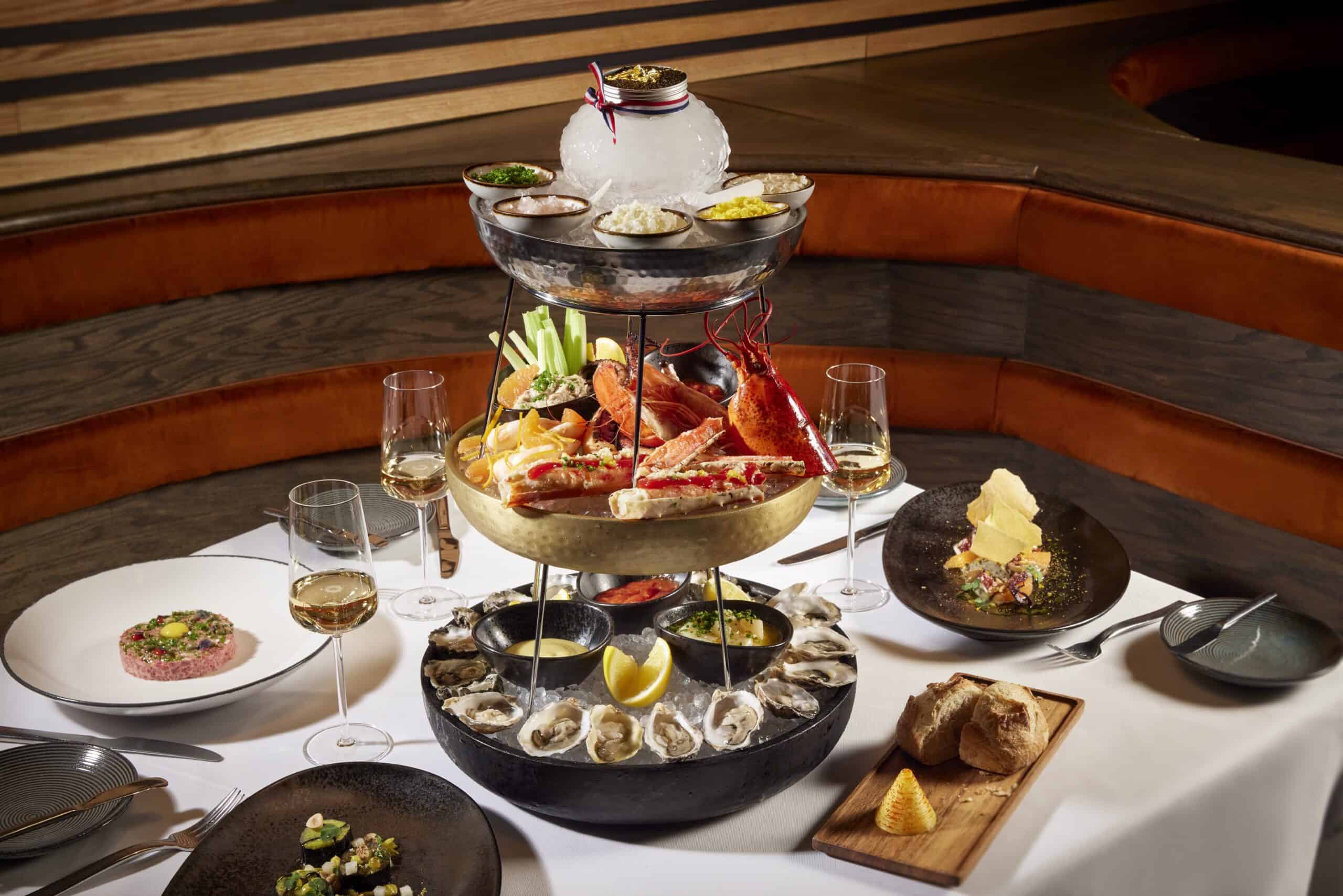
J'Adore! Would you like to save this recipe?
French restaurant menus are full of words and expressions that describe not only the food, but also the style of service, the courses, and the traditions behind the meal. While they may seem intimidating at first, once you know a handful of common terms, dining in France becomes much more enjoyable.
TL;DR
- What is it? A comprehensive guide explaining 40 common French restaurant and menu terms, helping travelers and food lovers confidently navigate French menus and better understand French dining culture.
- How you'll make it? Use the guide to learn key French restaurant vocabulary, from menu structures and meal courses to cooking techniques, restaurant types, and dining etiquette.
- Why you will love it?
- Makes ordering in French restaurants much less intimidating.
- Helps you understand authentic French food culture.
- Explains commonly misunderstood terms like entrée, menu, and formule.
- Useful for travelers, home cooks, and anyone interested in French cuisine.
- Provides practical phrases and dining tips you'll actually use in France.
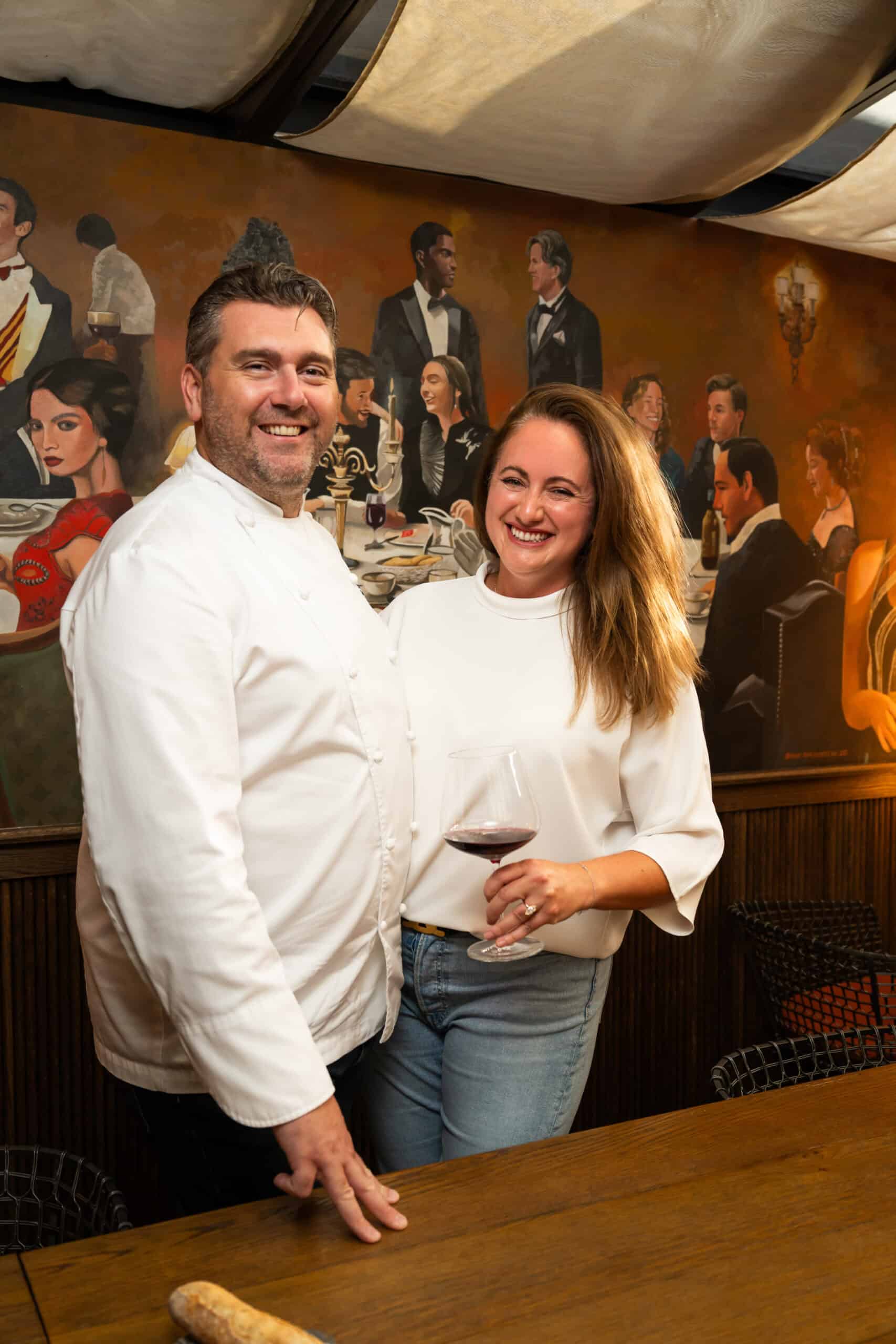
After living in France for nearly a decade and being married to a French chef with a restaurant, I've learned that understanding these expressions is about much more than translating words, it's about understanding French food culture.
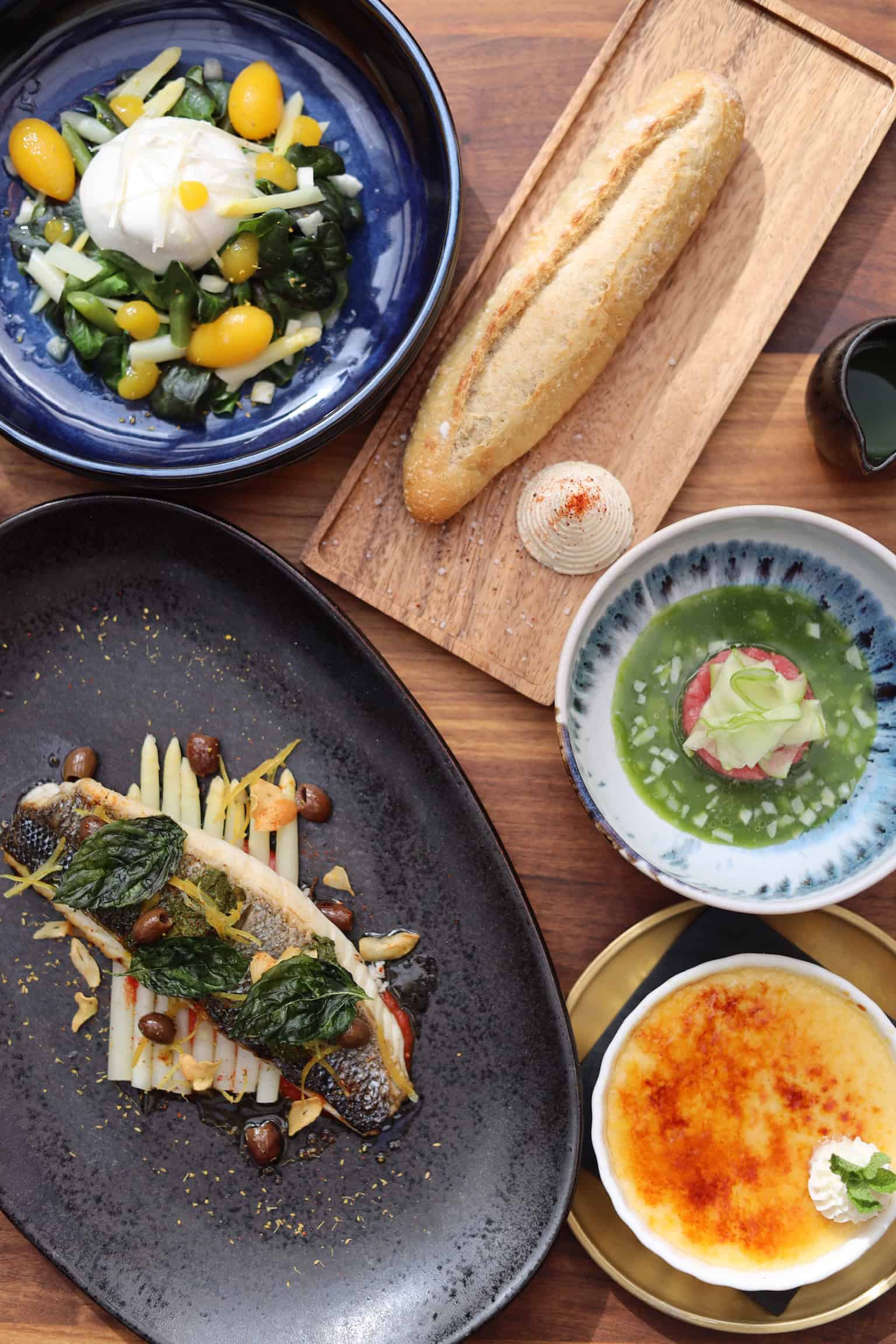
Whether you're planning your first trip to France, recreating a French meal at home, or simply curious about French cuisine, this guide explains the restaurant vocabulary you'll encounter most often.
Quick Reference: Most Common French Restaurant Terms
| French Term | English Meaning |
|---|---|
| La Carte | The menu (dishes to order individually) |
| Menu | Fixed-price meal |
| Formule | Set lunch combination |
| Plat du jour | Daily special (dish of the day) |
| Entrée | First course |
| Plat principal | Main course |
| Dessert | Dessert |
| Café gourmand | Espresso with mini desserts |
| Apéritif | Pre-dinner drink |
| Digestif | After-dinner spirit |
À la carte
Meaning: Ordering each dish individually instead of choosing a set menu or "formule".
You'll often hear diners say they are ordering à la carte when they prefer to choose each course separately.
La carte
Literally, "the menu."
If your server asks whether you'd like to see la carte, they're simply offering you the menu.
Le menu
One of the biggest surprises for North American travelers is that "menu" doesn't simply mean the list of food.
In France, un menu usually refers to a fixed-price meal that includes multiple courses.
Example:
- Starter
- Main course
- Dessert
Formule
A formule is a simplified fixed-price combination, commonly offered at lunch.
Examples include:
- Entrée + Plat
- Plat + Dessert
- Entrée + Plat + Dessert
These are often among the best values in French restaurants.
Menu du Jour
The menu of the day.
Restaurants often create a daily menu based on seasonal ingredients and what is freshest at the market.
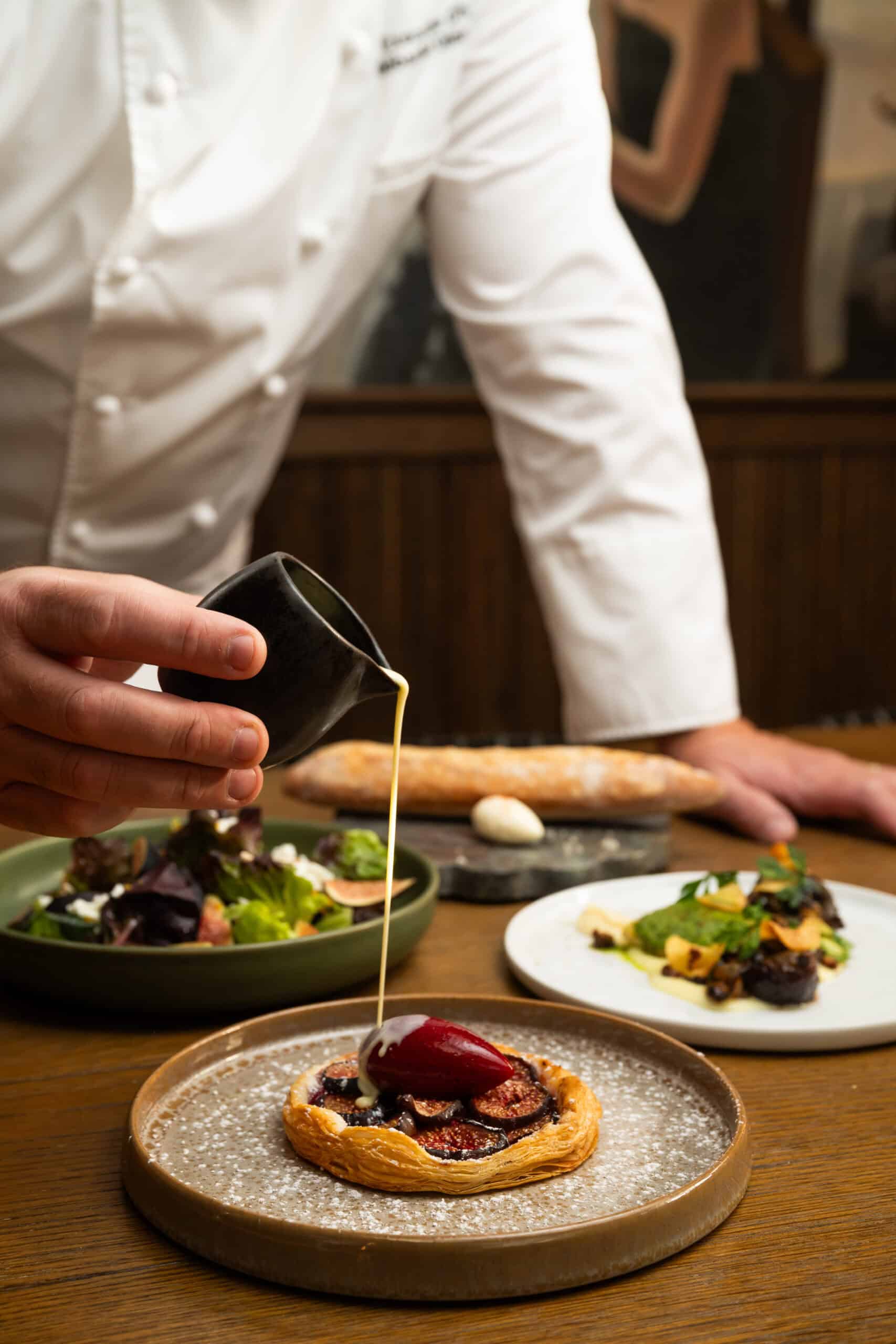
Plat du Jour
The dish of the day.
If you're unsure what to order, this is almost always a wonderful choice.
Suggestion du Chef
The chef's recommendation.
Unlike the plat du jour, there may be several chef's suggestions available.
Service Compris
This means service is already included in the price.
While many visitors still leave a few extra euros for exceptional service, large tips are generally not expected in France.
Types of French Restaurants
Bistrot
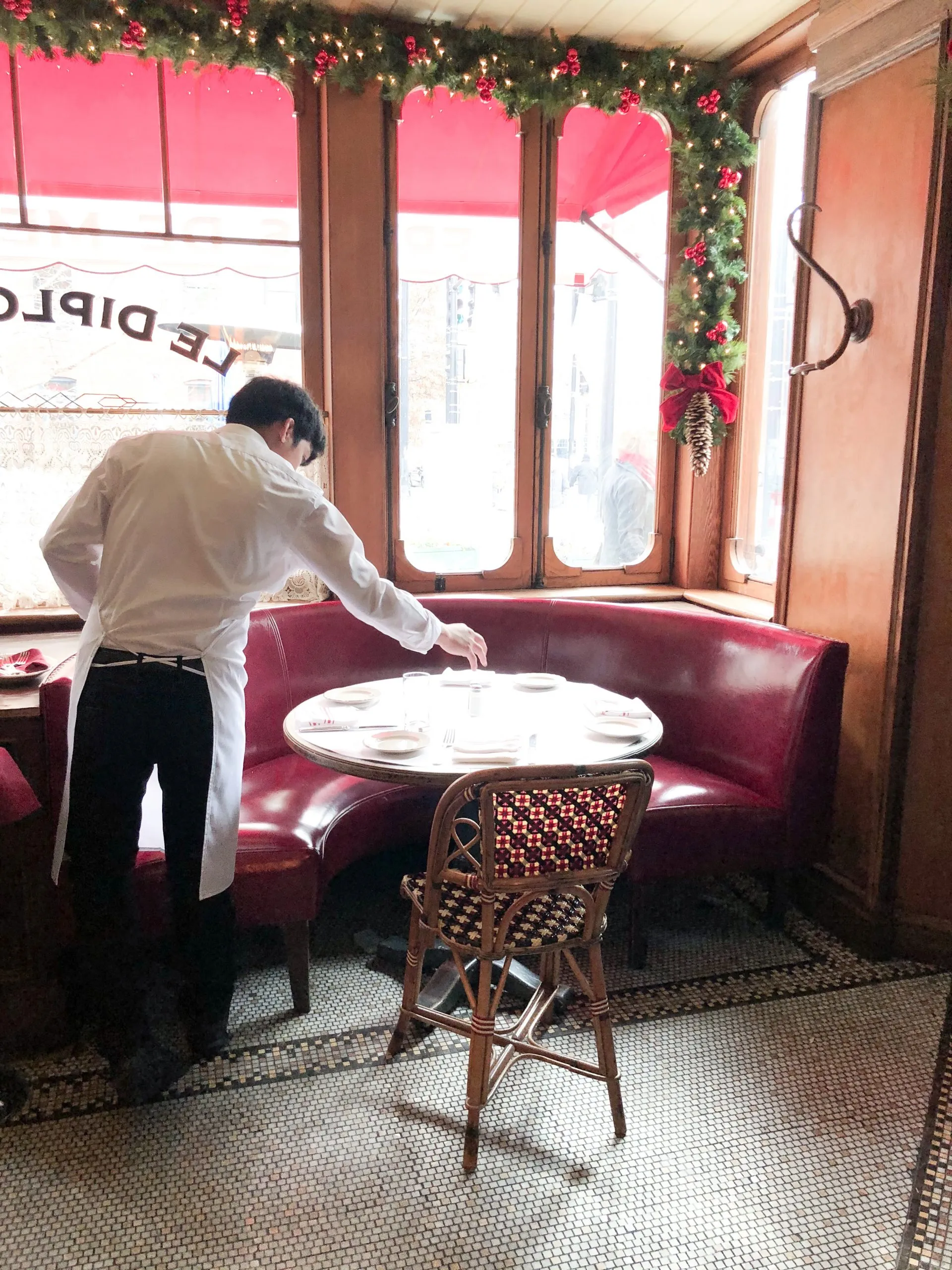
A neighborhood restaurant serving traditional French comfort food in a relaxed atmosphere.
Expect classics like steak frites, onion soup, quiche, or duck confit.
Brasserie
Originally breweries, modern brasseries serve food continuously throughout the day.
Their menus are often larger than those of a bistrot.
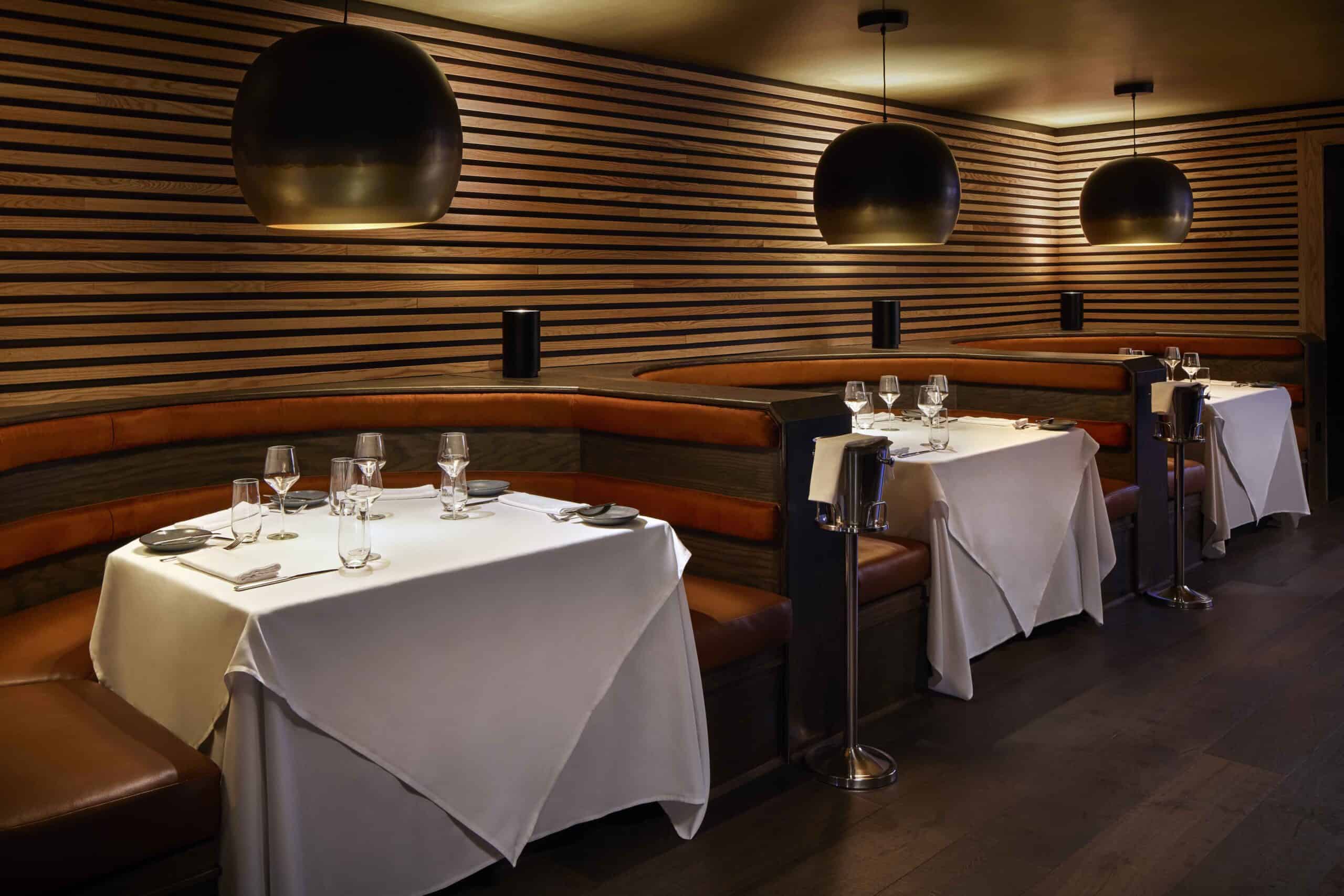
Restaurant Gastronomique
France's highest level of fine dining.
These restaurants emphasize technique, exceptional ingredients, artistry, and impeccable service.
Bistronomie
One of the most exciting movements in modern French cuisine.
Bistronomie combines the creativity and precision of fine dining with the relaxed atmosphere and approachable pricing of a neighborhood bistro.
Many of today's best young French chefs embrace this style of cooking.
Café
More than just coffee.
French cafés serve coffee, wine, light lunches, sandwiches, pastries, and simple meals throughout the day.
Salon de Thé
A tea room specializing in pastries, desserts, tea, and light lunches.
French Meal Courses
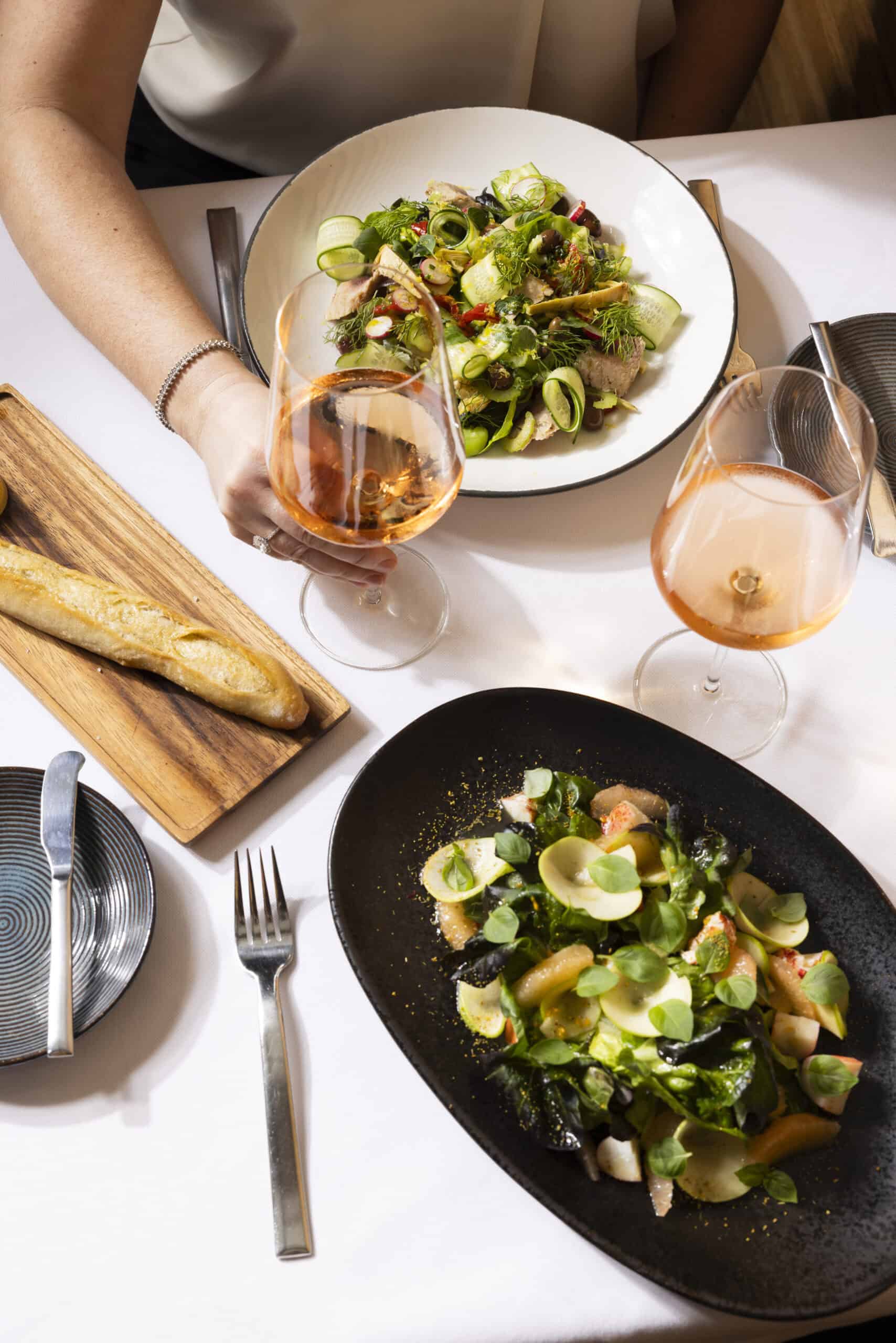
Apéritif
A drink enjoyed before the meal to stimulate the appetite.
Popular choices include Champagne, Kir, Pastis, or a glass of rosé.
Mise en Bouche
A complimentary bite offered by the chef before the meal begins.
Unlike an appetizer, it is never ordered.
Entrée
One of the most misunderstood French words.
In France, an entrée is the first course-not the main course.
Plat Principal
The main course.
Accompagnement
The side dish served alongside the main course.
Fromage
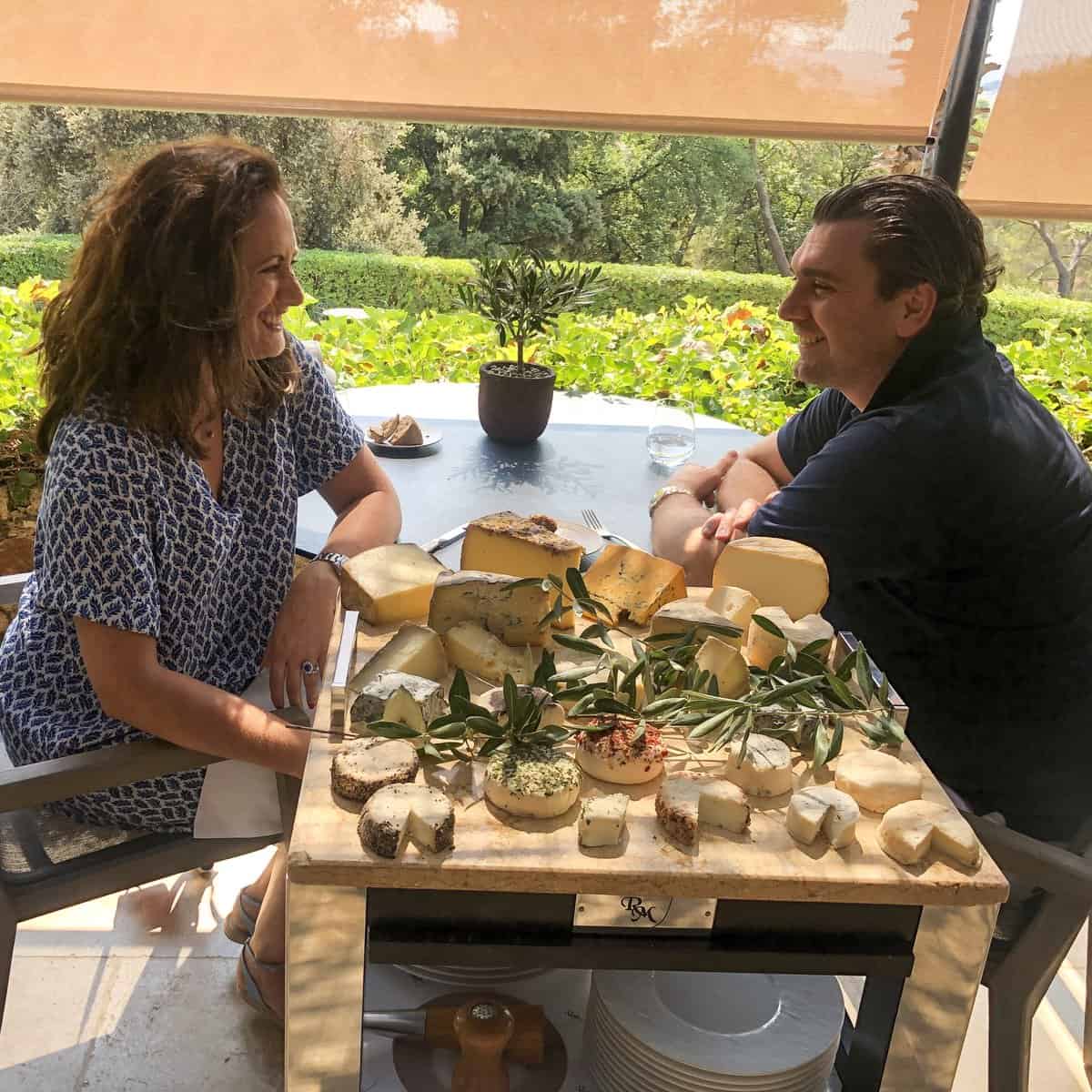
The cheese course.
Many traditional French meals include cheese before dessert.
Dessert
The sweet final course.
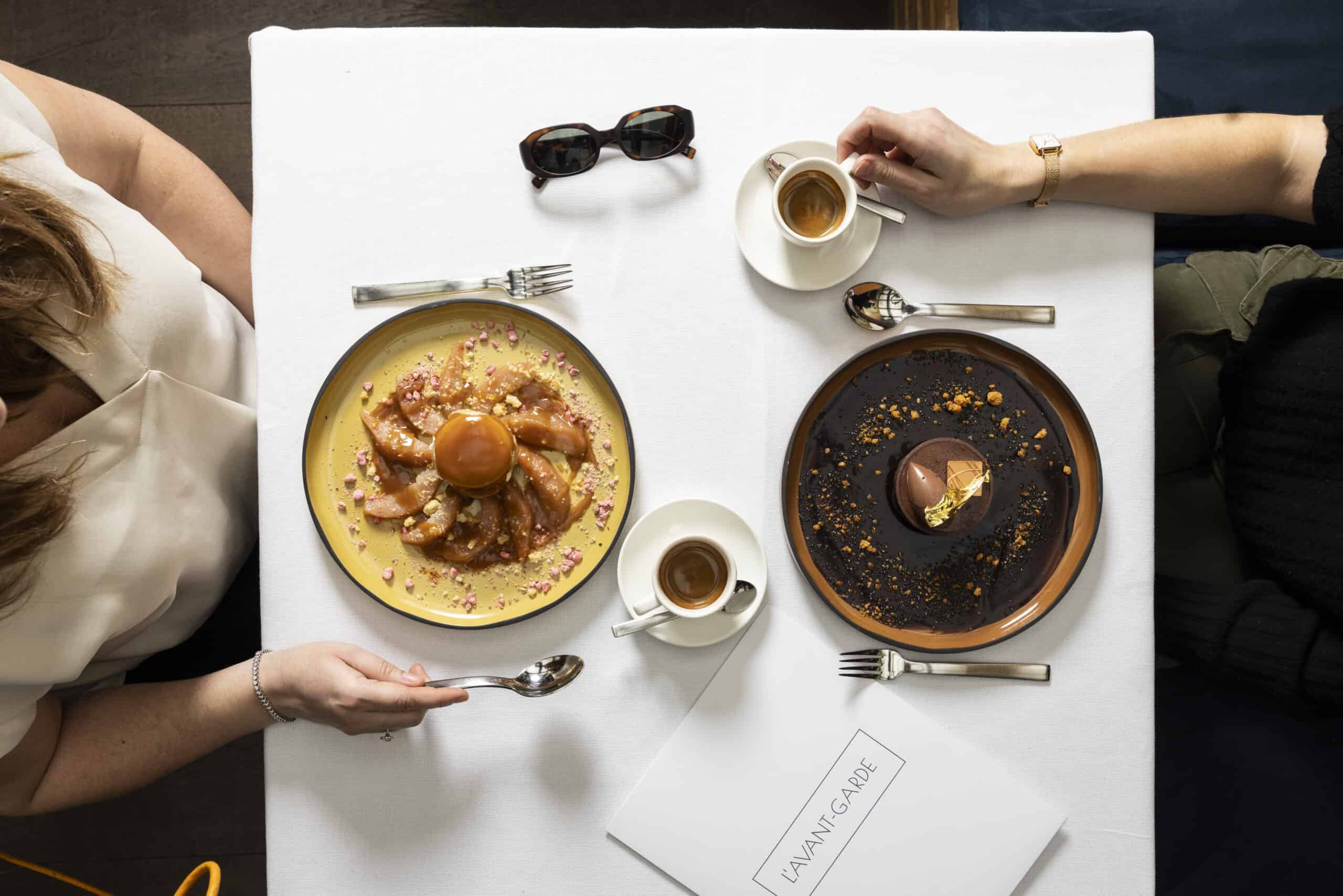
Mignardises
Tiny bite-sized sweets served alongside coffee after dessert. These can also be served in lieu of dessert in some "formules"
Wine & Drinks
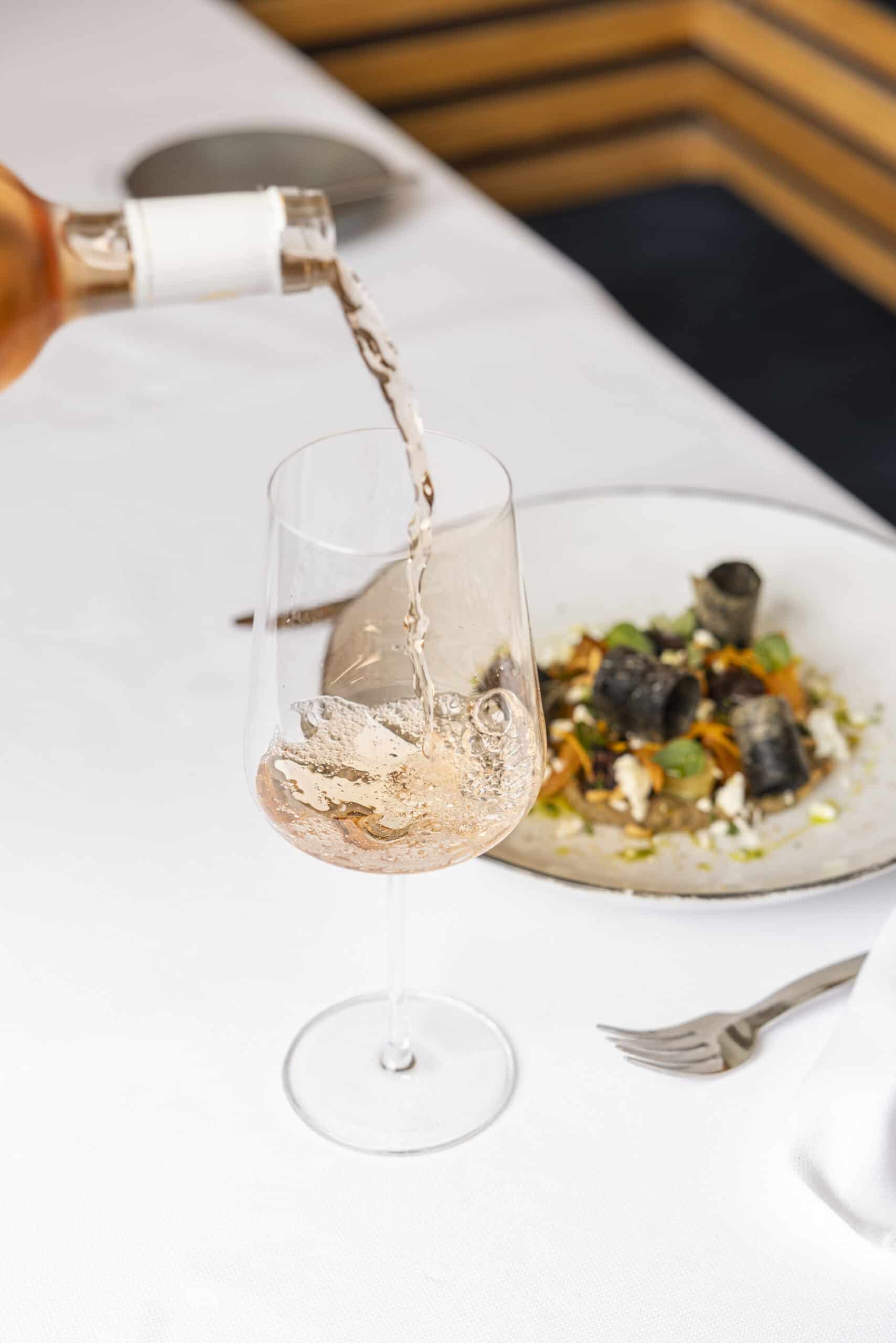
Vin de la Maison
House wine (the quality can surprise you - especially in wine regions!)
Pichet
Wine served in a small pitcher rather than by the bottle.
Carafe d'Eau
Tap water.
Perfectly acceptable to request in France.
Digestif
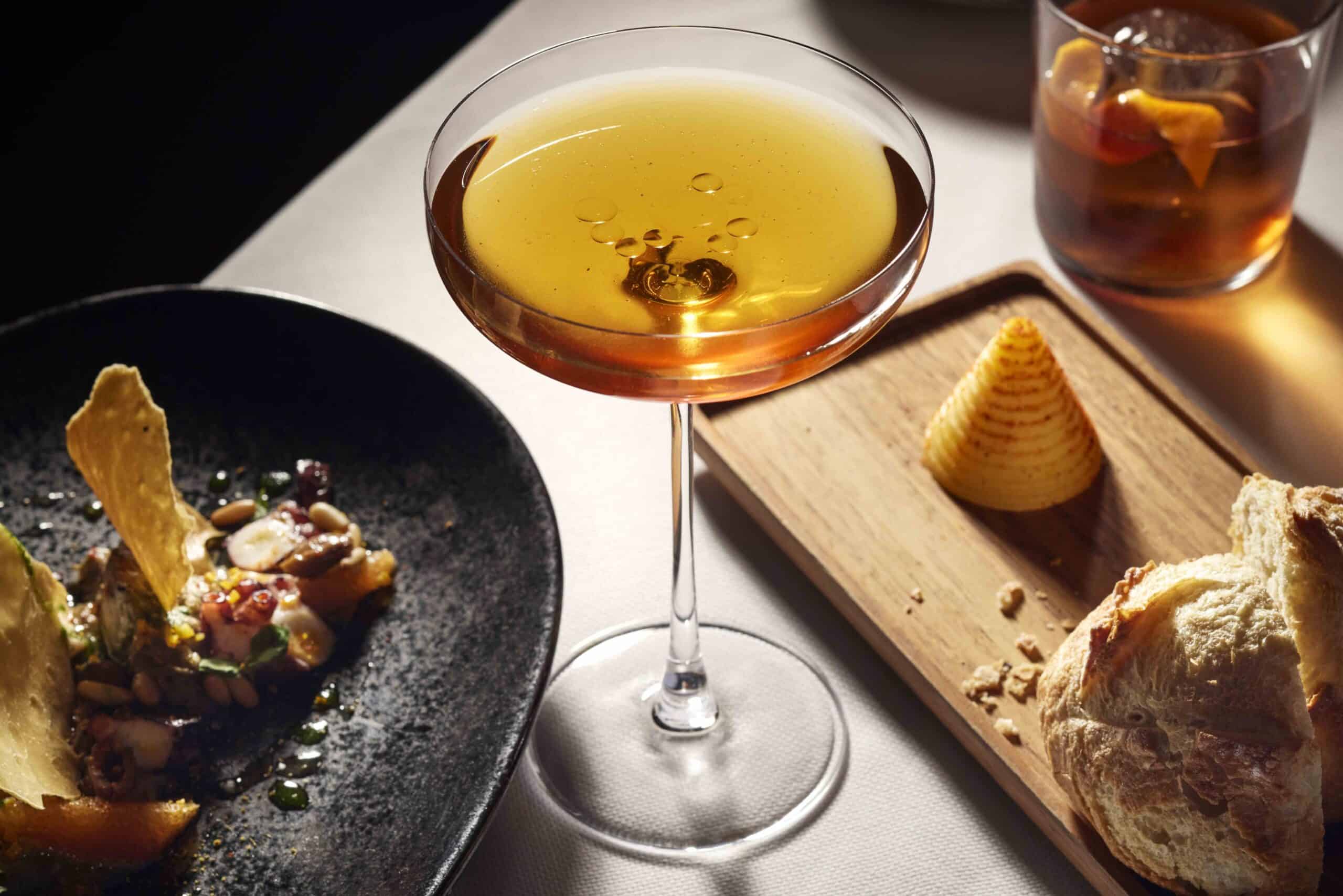
A spirit served after the meal to aid digestion.
Examples include Cognac, Armagnac, Calvados, or Chartreuse.
Café Gourmand
One espresso accompanied by several miniature desserts.
It's one of my favorite ways to finish a meal in France because you get to sample several desserts instead of choosing just one.
French Cooking Terms You'll See on Menus
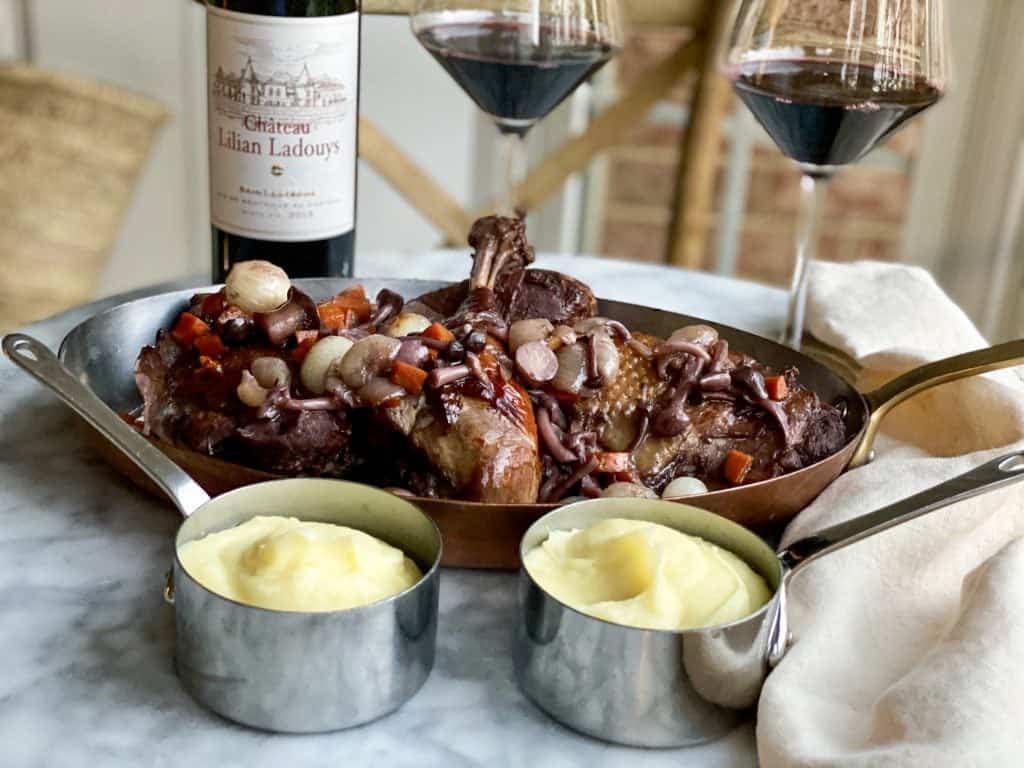
Confit
Slow-cooked in fat until incredibly tender.
Gratin
Baked until golden and crisp on top.
Provençal
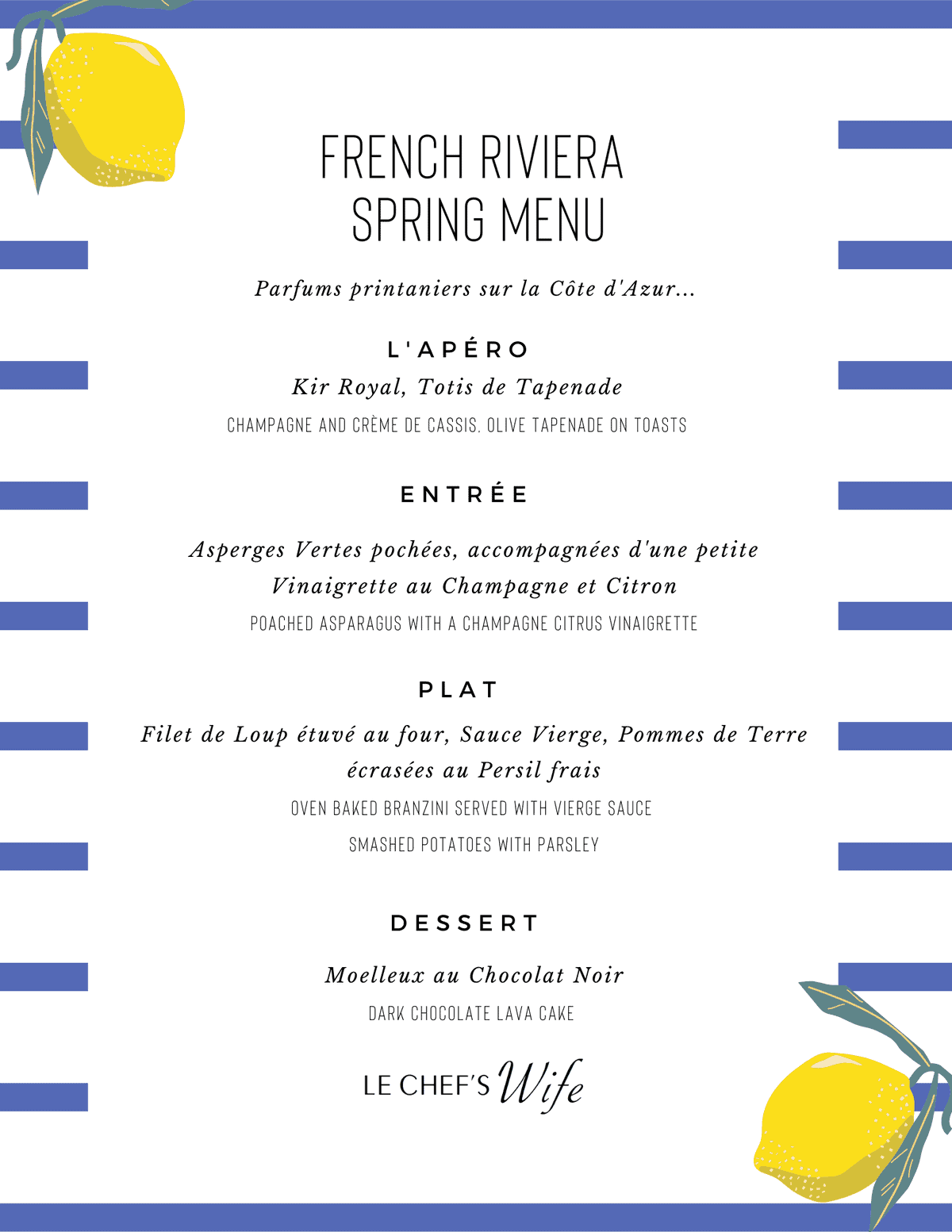
Prepared with ingredients typical of Provence, such as tomatoes, garlic, olive oil, herbs, olives, and capers.
Meunière
Lightly floured and cooked in butter with lemon.
Often used for fish.
À la Plancha
Cooked on a very hot flat-top grill.
Common throughout Southern France.
Tartare
Finely chopped raw meat or fish seasoned and served uncooked.
Carpaccio
Paper-thin slices of raw meat or fish.
Velouté
A smooth, silky soup or sauce.
Coulis
A smooth purée made from vegetables or fruit.
Sauce Vierge
A fresh Provençal sauce made with olive oil, tomatoes, herbs, lemon, garlic, and capers.
Authentic Provençal Sauce Vierge Recipe
Helpful French Restaurant Phrases
- Bon appétit! - Enjoy your meal!
- L'addition, s'il vous plaît. - The bill, please.
- Merci beaucoup. - Thank you very much.
- C'est délicieux. - This is delicious.
- Santé! - Cheers!
Frequently Asked Questions
Unlike in North America, an entrée in France is the first course served before the main dish (plat principal).
A menu is generally a multi-course fixed-price meal, while a formule is a smaller lunch combination that usually includes two or three courses.
Service is included in restaurant prices. While it's common to leave a few euros for exceptional service, large tips are not expected.
A café gourmand is an espresso served with several miniature desserts, allowing you to sample multiple sweets in one course.
Bistronomie combines the techniques of fine dining with the relaxed atmosphere and approachable prices of a neighborhood bistro.
Final Thoughts
Learning a few French restaurant terms does more than help you read a menu-it opens the door to understanding French food culture. Once you know the difference between a plat du jour and a formule, or why an entrée isn't the main course, you'll feel more confident dining anywhere from a bustling Parisian brasserie to a quiet seaside café on the French Riviera.
French cuisine is about more than recipes; it's about tradition, hospitality, and savoring each meal. I hope this guide helps you feel a little more at home the next time you sit down at a table in France, or when you're bringing a little French flair into your own kitchen.
OTHER ARTICLES YOU WILL ENJOY ON LECHEFSWIFE.COM
- What Is French Riviera Cuisine?
- What Do French Families Eat During the Week?
- La Sauce Vierge
- French Vinaigrette
- French Dinner Party Timeline
- What Is Apéro?
- What to serve with Roast Chicken
French Restaurant in DC
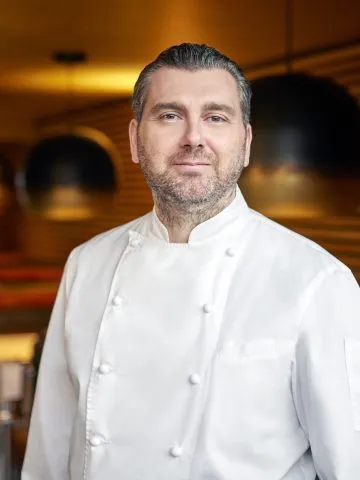
Le Chef's Wife community now has a French Restaurant in DC where they can experience Le Chef's cooking for themselves. If you love the recipes on this blog, you will love dining at L'Avant-Garde DC and may even recognize some of the dishes! Le Chef, my dear husband, Sébastien Giannini, recently re-opened chic Georgetown French
ALL ABOUT LE CHEF'S WIFE
Bonjour! I am Anina Belle. I translate the fancy cooking of my Michelin-star trained French Chef Husband, Le Chef, of L'Avant-Garde into easy to make dishes that busy people with no culinary training (like me!) can make at home. We have two young kids (8 and 5) and I run a marketing firm and a non-profit in addition to this blog. I strongly believe that even busy people deserve to eat well at home.
Look inside our Kitchen with this Washington Post Article. We were featured on the TODAY SHOW for our recipes of French Onion Soup Gratinée and Moelleux au Chocolat. You can watch our full segment below.
I share our home cooking on Instagram, pinterest and tiktok. Sign up for my newsletter to be the first to receive my new recipes and have advance access to cooking classes. I look forward to cooking with you!
BONJOUR!
If you are looking for French Recipes, made simple, you are in the right place! I translate the fancy cooking of my French Chef husband into easy-to-follow recipes that busy people with no culinary training, like me, can cook. From French Baguettes to French Riviera classic recipes, I invite you to learn French cooking with me.
MORE RIVIERA RECIPES
- French Riviera Cocktails
- What Is French Riviera Cuisine?
- Gluten-free Quinoa Tabbouleh Salad
- 25 Traditional French Holiday Recipes Everyone Will Love
Lyandra says
Such a helpful guide! I’ve always found French menus a little intimidating, and this made so many of the common terms easy to understand. Definitely worth saving before your next French dining experience!
Gregory says
Thank you so very much for your detailed explanation of menu terms. Extremely helpful!
Merci mille fois!